Moving Van in London

Our moving van service in London is set up for straightforward house moves, flat moves and smaller removals that need careful loading, sensible routing and a clean handover at the other end. We focus on practical transport for belongings that need to be moved securely rather than left to improvised handling, so the service suits people who want a simple way to move furniture, boxes and everyday household items across the city or beyond.
Using a moving van is often the most efficient choice when you do not need a full lorry but still want organised transport and support from a removals team. We can help with single-item moves, room contents, partial house removals and general moving support, always keeping the work tied to the task in hand. If you are comparing options, our removals service gives a broader view of the kind of jobs a moving van can cover.
For customers who want to plan the next step, the simplest approach is to tell us what needs moving, where it is going and any access points that matter, such as stairs, tight entrances or parking constraints. That helps shape the vehicle size and the way the move is organised. If you are preparing a shortlist of items, you can also look at pricing and quotes to see the kind of information that is useful before a quotation is prepared.
House, flat and room moves
Moving van work often starts with domestic moves, and that can include everything from a one-bedroom flat to a larger household where only selected items need transporting. The advantage is flexibility: you can move the furniture and boxes that matter without booking a service that feels oversized for the job. We handle domestic removals with attention to loading order, item protection and sensible route planning, so the move stays organised from collection to delivery.
Smaller household moves can benefit from a moving van where the load is important but the overall volume is manageable. That may include beds, tables, wardrobes, kitchen boxes, personal belongings and fragile items packed separately. Where the job calls for it, packing support can also be a useful addition, and packing and unpacking services give a clear idea of how those tasks fit around the move itself.
When customers want a straightforward domestic move, the key is to match the service to the load rather than assume every job needs the same approach. A moving van can suit solo moves, shared flats, downsizing and general household transfers. Careful placement, secure straps and practical lifting all help protect items in transit, especially where furniture and boxes need to be kept separate and easy to unload at the destination.
 Commercial moves and workplace transport
Not every moving van job is domestic. Many businesses need modest-scale transport for desks, chairs, archive boxes, display units or stock that must be moved without disrupting the rest of the operation. Our commercial moving support is aimed at practical workplace transport rather than large, complicated relocation projects, so it can suit offices, studios and small business premises that need items moved cleanly and in sequence.
Where a business is changing address or shifting equipment between sites, the move usually works best when there is a clear list of items and a realistic sense of timing. We can help move furniture and equipment in a way that keeps the load manageable. For broader workplace relocation details, office relocation services are a useful reference point for the sort of tasks that may be involved.
A commercial move can also require careful handling of access and time windows, especially when items must be moved around trading hours or building rules. The van-based approach gives a useful balance between capacity and manoeuvrability, which can be helpful in busy streets or premises with limited loading space. It is often the details of access, not just the volume, that determine the best moving plan.
Loading, protection and practical handling
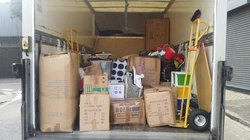
A good moving van service depends on how items are loaded as much as on the journey itself. Furniture should be grouped sensibly, fragile belongings separated where needed and heavier items placed so they support the rest of the load rather than crush it. This is especially important for moves that include mixed contents, because good loading order reduces avoidable movement and makes unloading more efficient at the destination.
Furniture and household items can be protected in different ways depending on their shape, finish and fragility. Mattresses, soft furnishings, tables and boxed belongings all benefit from a thoughtful approach to packing and positioning. If you are comparing removal options and want to understand how items are treated in transit, furniture pick-up is a relevant page for jobs that centre on individual pieces or selected items.
We keep the handling process practical and proportionate to the job. That means using the moving van in a way that supports the load rather than forcing every move into the same pattern. Some jobs are best completed with a few large items and several boxes; others are a fuller household move. In both cases, the aim is the same: steady, controlled movement from collection to delivery without unnecessary disruption.
 Long-distance, local and mixed loads
A moving van can be just as useful for short local moves as it is for longer journeys that leave London. The point is not distance alone but the kind of load being carried, the amount of access available and whether the move needs a smaller, more flexible vehicle than a full removals truck. That makes the service suitable for mixed loads, including furniture, bags, boxes and items that do not need a specialist freight-style approach.
For people planning a move within the city, the service can be shaped around the building, the road layout and the time available. For longer journeys, the same careful loading habits still matter, but route planning and timing become more significant. If you want to compare vehicle-based options before making a decision, moving truck gives another useful perspective on how capacity and load type can influence the choice of transport.
The best results usually come from matching the vehicle to the contents instead of overcomplicating the move. A moving van can be a sensible choice when you need transport that is practical, flexible and easier to position than a larger lorry. That balance is one reason many customers use it for smaller house moves, student moves, single-room moves and other focused transport jobs.
What can be included in a moving van job
Moving van services are often most helpful when the work is clearly defined. Typical items may include sofas, beds, wardrobes, tables, chairs, boxes, suitcases, small appliances and carefully wrapped belongings. Because the service is built around practical transport, it can be adapted to different load shapes without needing to change the overall approach. The important part is to understand what is going, what needs special handling and what can be loaded together safely.
Some customers need one item moved; others need a curated selection of household contents carried to a new address. In either case, the job benefits from knowing what belongs in the van and what should stay separate. If you are checking the wider range of removal work we support, removal services offers a broader overview of related transport and moving tasks.
Common moving van loads can include:
- furniture pieces such as beds, sofas, cabinets and tables
- boxes of books, clothes, kitchenware and general household goods
- small electrical items and neatly packed personal effects
- selected office furniture, files or equipment
- single bulky items that are awkward to move in a car
About London
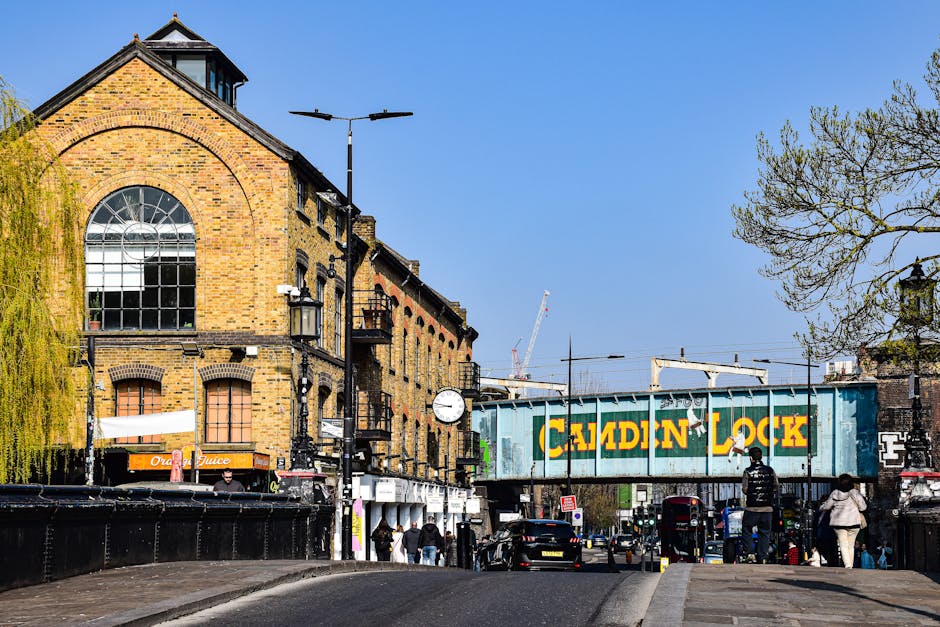
London is a large and layered city shaped by the River Thames, centuries of expansion and a street pattern that still reflects older settlements, former villages and later borough boundaries. Its historic core grew from the Roman settlement of Londinium, but the city visible today is a patchwork of different eras, from medieval church towers and Georgian terraces to Victorian railway infrastructure and modern glass districts. The Thames remains a defining feature, with bridges, embankments and riverside walks linking areas that once developed quite differently on each bank. Many neighbourhoods retain strong identities of their own, and that variety is one of the city’s most recognisable traits. West London includes long-established squares and mansion blocks, while the east contains former dockland areas that have been reshaped over time by trade, transport and regeneration. The City of London itself forms a separate historic and administrative core, while the wider metropolis stretches across many boroughs, each with its own town centres, parks, housing styles and public spaces. Cultural life is equally varied, with theatres, museums, markets, local festivals and everyday high streets all contributing to a city that changes block by block. Green spaces such as Richmond Park, Hampstead Heath and the Royal Parks offer a striking contrast to dense built-up districts, and waterways including the Regent’s Canal and the Lea Navigation add further texture to the urban landscape. Architecture is similarly mixed, ranging from landmark civic buildings to modest residential streets and post-war estates. London’s transport network, including its Underground lines, rail termini and bus corridors, has long influenced how people move around the city, but its appeal also lies in the close coexistence of global institutions, local communities and neighbourhood-scale character.
Man and van support for flexible moves
Some moving jobs do not need a full-scale removal package, and that is where man and van style support can be useful. It suits smaller households, partial loads, short-notice item transport and moves where flexibility matters more than a large fixed operation. The service is especially practical when a customer needs a few rooms cleared, a manageable collection of furniture moved or several mixed items delivered in one trip. For that kind of work, man with van is a relevant option to consider.
The value of a flexible service is that it can be scaled to the load. A compact move can still include enough care to protect the furniture and keep the delivery organised, while a slightly larger load can be arranged around the right van size and the best loading pattern. That makes it a useful middle ground between carrying items yourself and booking a full household removal. It is designed around practical transport, not unnecessary complexity.
When choosing between moving options, think about what actually needs to travel, how much help is needed at each end and whether the route or property access suggests a smaller vehicle would be easier. That approach keeps the service clear and efficient. If you want a broader version of the same idea, man and van removals explains how this kind of moving support is often structured.
 Planning the move and keeping the load manageable
A well-planned moving van job usually starts with a sensible understanding of the load. Items that can be stacked safely, carried in sequence and protected from damage are ideal for this type of transport. It helps to separate fragile belongings from heavy furniture and to think through where each item will be positioned in the van. That makes the move easier to load at collection and quicker to unload at the destination, with less shuffling on arrival.
If you are preparing for a move, there are two pieces of information that are especially useful: the main items to be moved and the access at both addresses. Stairs, narrow entrances, parking restrictions and long carries can all affect how a job is arranged. For customers who want to understand how we handle moving support in general, moving van shows the core service category from another angle and can help when comparing the most suitable option.
The goal is not to make the process feel complicated. It is to keep the move realistic, with the right vehicle and the right level of support for the contents. That can be enough to turn a difficult task into a manageable one, especially where furniture and boxes need to be shifted without creating extra handling problems along the way. If you are ready to compare plans, now is a good time to outline the load and ask for a quotation.
House removals and related moving options
Some customers begin by looking for a moving van and then realise that a slightly broader removals package may be more suitable. That depends on the number of rooms, the amount of furniture and whether packing, lifting or transport alone is the main requirement. House removals can cover larger domestic moves while still keeping the process focused on safe handling and organised delivery. If that sounds closer to the job, house removals is a practical page to review.
There are also related pages for customers comparing service styles, such as house movers and removal company, which help place the moving van service in context. These options are useful when the move involves a fuller household load or when it helps to see the range of support available before choosing. A clear comparison often makes it easier to settle on the most efficient route for the job.
If you need help deciding what should be moved together, it can be useful to divide items into essentials, furniture and anything that needs particular care. That simple exercise often clarifies whether a van-based move is enough or whether a wider removal service would be more efficient. Choosing the right size of move is often the easiest way to keep the day under control.
 Pricing factors, quotations and next steps
Moving van quotations are usually influenced by the practical details of the job rather than by a single fixed formula. The main factors are the amount and type of items, the distance travelled, access at each property and whether the move needs extra time for loading or unloading. Items that are awkward, fragile or especially bulky can also shape the plan. That is why a clear description of the load is more useful than a vague estimate based only on room count.
It is also worth thinking about whether the move is one-way transport, a return journey, a local delivery or a longer relocation. These choices can alter the vehicle requirement and the time needed on site. If you are comparing moving van arrangements and want to see how cost discussions are usually framed, pricing and quotes is the place to start, while contact us is the final step when you are ready to request a quotation.
To help with a quotation, it is useful to include:
- a list of the main items to be moved
- the collection and delivery areas
- any access issues, stairs or parking restrictions
- whether loading help is needed at one or both ends
Once those details are clear, it becomes much easier to match the moving van service to the job and give you a quotation that reflects the actual work involved. If you are planning a move, tell us what needs to go and where it needs to arrive. Request a quotation when you are ready.