Camden Town London Moves: Narrow-Street Furniture Tips
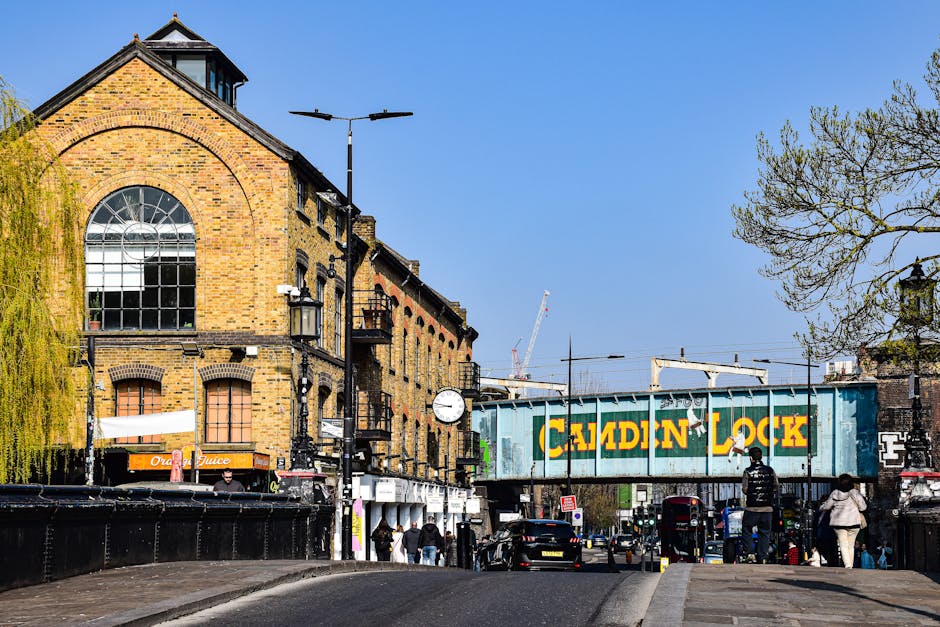
Moving furniture in Camden Town can feel like trying to thread a wardrobe through a keyhole. Narrow terraces, parked cars, tight corners, busy pavements, basement flats, and those charming-but-not-charming stairwells all add up. If you are planning a move in this part of London, the difference between a smooth day and a chaotic one often comes down to preparation, timing, and the right vehicle choice.
This guide on Camden Town London Moves: Narrow-Street Furniture Tips gives you practical, street-level advice for handling bulky furniture in tight spaces without the usual stress. We will cover planning, packing, access checks, loading tactics, common mistakes, compliance, and the small decisions that save time and furniture damage. Truth be told, these are the details people only learn after one awkward move too many.
Whether you are shifting a sofa from a flat above a shop, collecting a dining set, or moving into a room off a side street that barely fits a van, the goal is the same: keep things safe, keep things moving, and avoid that sinking feeling when you realise the wardrobe will not make the turn.
Table of Contents
- Why Camden Town narrow-street furniture moving matters
- How narrow-street furniture moves work in Camden
- Key benefits and practical advantages
- Who this is for and when it makes sense
- Step-by-step guidance
- Expert tips for better results
- Common mistakes to avoid
- Tools, resources and recommendations
- Law, compliance, standards, and best practice
- Options, methods, and comparison table
- Case study or real-world example
- Practical checklist
- Conclusion
- Frequently asked questions
Why Camden Town London Moves: Narrow-Street Furniture Tips Matters
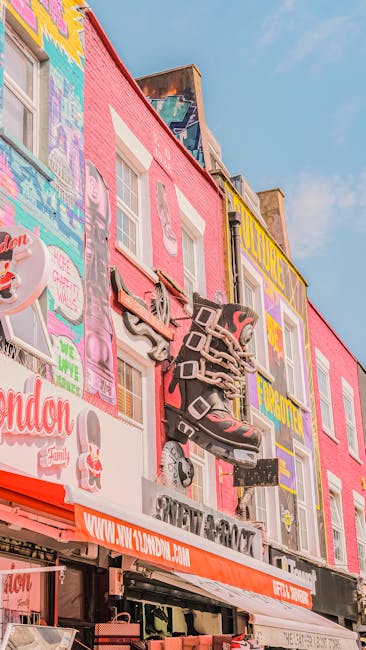
Camden Town is lively, dense, and not exactly generous with space. For furniture moves, that matters more than most people expect. A move that would be simple on a wider residential road can become complicated the moment a van needs to pause on a narrow street while someone carries a sofa around a corner with two cars parked opposite.
The issue is not just the street width. It is the whole chain of access: where the vehicle can stop, how far the carry is, whether the stairs are narrow, if there is a lift, and whether neighbours, shoppers, deliveries, or buses are all trying to use the same route. Camden's character is part of the charm, but it also means moving furniture requires a bit more thought.
In practice, narrow-street moves matter because they affect:
- how long the move takes
- whether items stay undamaged
- if the van can park safely and legally
- how many people you need on site
- the chance of delays, missed slots, or extra carrying distance
If you are moving a large dining table, a bed frame, or a modular sofa through Camden Town, the street layout can be as important as the furniture itself. That is why choosing a man and van style service, or a more tailored removal service, can make sense when the access is tight and the load is awkward.
There is also a stress factor. Anyone who has stood in a doorway holding one end of a wardrobe while trying not to chip paint on a Georgian banister will know the feeling. It is not glamorous. But it is manageable.
How Camden Town London Moves: Narrow-Street Furniture Tips Works
The basic idea is simple: plan the move around the street, not just the items. In narrow Camden streets, the vehicle choice, timing, loading sequence, and furniture preparation all need to fit together. If one part is off, the whole thing slows down.
A good narrow-street furniture move usually follows this sequence:
- Assess access before the day. Check the road width, parking restrictions, turning space, staircases, and entry points.
- Measure the furniture and the route. Do not assume a sofa will fit simply because it fits on paper. Measure doorways, hallways, corners, and lifts.
- Choose the right vehicle. A smaller van or a flexible loading setup is often better than a larger truck in tight streets.
- Break down what you can. Remove legs, shelves, handles, cushions, and loose components where possible.
- Protect the items and the property. Use blankets, edge guards, wrap, and floor protection.
- Load in the right order. Heaviest and most stable items go in first, with fragile items secured separately.
- Carry efficiently. Keep the path clear and assign roles so nobody is guessing mid-lift.
One small detail that often gets missed: in Camden, where you park can matter almost as much as where you are moving to. If the van needs to stop a little further away, that extra carrying distance can add more strain than people expect. A few metres is not nothing when you are carrying a king-size mattress in the rain. And yes, London weather does tend to pick the least convenient moment.
For many customers, the simplest route is to combine a short local vehicle run with careful item prep and a crew that understands central London conditions. If you need packing support too, the packing and unpacking services page is worth a look, especially for fragile or awkward items.
Key Benefits and Practical Advantages
The real value of getting narrow-street moving right is not just convenience. It is control. A controlled move is calmer, safer, and usually cheaper than a messy one with avoidable delays.
Here are the main benefits:
- Less damage risk: Better planning reduces scrapes, dropped items, and crushed corners.
- Faster loading and unloading: Efficient routes and vehicle positioning save time.
- Lower physical strain: Shorter, better-managed carries reduce the chance of injury.
- Fewer access problems: The right size vehicle is easier to position in Camden's tighter roads.
- Better neighbour relations: Less blocking, less noise, fewer awkward apologies in the stairwell.
There is also a financial angle. Choosing the wrong setup can mean paying for avoidable delays, extra labour, or repeat trips. By contrast, a well-planned move can be surprisingly efficient. If you want to compare moving options and budget more accurately, a quick look at pricing and quotes can help set expectations early.
Expert summary: In narrow Camden streets, the winning formula is usually smaller vehicle, smarter timing, lighter item prep, and clearer access planning. It sounds simple because it is. The challenge is doing all four at once.
Who This Is For and When It Makes Sense
This approach is useful for a wide mix of people, not just full-house movers. In Camden Town, narrow-street furniture handling comes up in everyday situations more often than you might think.
It makes sense if you are:
- moving between flats in Camden or nearby areas such as Kentish Town or Belsize Park
- buying second-hand furniture and need a careful furniture pick-up
- moving out of a basement or top-floor flat with awkward access
- relocating a studio, one-bed, or shared house with tight hallways
- running a small business that needs local furniture or stock moved safely
- dealing with a sofa, bed, wardrobe, table, or cabinet that will not fit a standard car
It also makes sense if you are not sure whether a DIY move is wise. Lets face it, a rental van and a couple of friends sound cheaper right up until the wardrobe gets stuck at the top of the stairs. Then the whole afternoon disappears.
If you are considering a more hands-on option, you may still want support from a man with van or man with a van service, especially where parking, lifting, and route planning all need to be coordinated on the fly.
Step-by-Step Guidance
Here is a practical way to plan and execute a narrow-street furniture move in Camden Town without losing the plot halfway through.
1) Walk the route in advance if you can
Start at the property entrance and trace the path to the van position. Check stairs, bends, door widths, ceilings, and any tight landings. If you cannot do it in person, video call someone on site or take photos from several angles. That little bit of detail can prevent a big headache later.
2) Measure everything twice
Measure the tallest, widest, and deepest points of each item. Then measure the narrowest parts of the route: door frames, bannisters, corridors, lift doors, and stair turns. A tape measure is good; a screenshot of rough dimensions is not enough on its own.
3) Decide whether to dismantle furniture
Not every item should be taken apart, but many should. Beds, tables, wardrobes, shelving units, and desks often move far better once legs, doors, and loose panels are removed. Keep screws and fittings in labelled bags. It feels small. It is not small when you are rebuilding at the other end.
4) Reserve a sensible loading window
Camden can be busy at awkward times, so choose a window that gives you room to breathe. Early morning can be helpful for access, but only if the building allows it and neighbours are not likely to be disturbed. Midday may be easier for visibility, though traffic may be heavier. There is no perfect slot, only better and worse ones.
5) Protect every surface that matters
Use furniture blankets, wrap, corner protection, and floor coverings. In narrow hallways, the problem is often not the item itself, but the item brushing walls at the wrong angle. Small scuffs add up fast.
6) Load strategically
Place heavier items low and secure them so they cannot shift during transport. Keep fragile pieces away from sharp edges. If you are mixing items, stack in a way that protects pressure points and makes unloading logical. The load should make sense when you open the doors later, not only when you shut them.
7) Leave enough time for the final carry
In Camden, the van may not be able to park directly outside the door. Build that into your timing. If the final carry is longer, use trolleys or dollies where appropriate. If a lift is available, check whether it is suitable for the item dimensions before the move begins.
8) Do a quick end-of-move check
Before you leave, walk the route back inside and look for forgotten fixings, marks, or loose packaging. Check the furniture again once it is in place. A two-minute inspection can save a future call-back.
Expert Tips for Better Results
Over the years, a few patterns show up again and again in narrow London moves. These are the details that tend to make the biggest difference.
- Use smaller, more manoeuvrable vehicles for restricted streets. In many Camden side roads, a compact van is easier to position than a larger vehicle, even if it means a slightly more careful loading plan.
- Pad the awkward points first. The top of stairs, the corners of landings, and the narrowest door frames deserve protection before anything starts moving.
- Keep one person as the route spotter. Someone should always be watching for bumps, low ceilings, passing pedestrians, or blind corners.
- Take the furniture apart before you feel rushed. Doing it the night before is much calmer than unbolting a bed frame while everyone waits.
- Use gloves with grip. It sounds obvious, but good gloves make a surprising difference when carrying smooth surfaces or heavy boxes in damp weather.
- Plan for the weather, not the forecast mood. London forecasts are useful, until they are not. Have waterproof covers ready anyway.
One small, very human tip: keep a roll of tape, a marker, and a zip bag in your pocket or coat. You will use them. Probably more than once. The number of times a tiny screw goes missing in a hallway is almost comical. Almost.
If you are moving part of a business or working with larger items, a look at office relocation services or broader commercial moves can also help if the furniture is tied to work operations rather than a home.
Common Mistakes to Avoid
Most narrow-street moving problems are predictable. That is the frustrating part. The good news is that the fix is usually straightforward once you know what to watch for.
- Ignoring parking reality. If the van cannot stop safely, the rest of the plan starts to unravel.
- Assuming the item will fit because it nearly fits. "Nearly" is not a useful measurement.
- Forgetting to measure stairs and corners. Many moves fail at the turn, not the front door.
- Leaving dismantling to the last minute. This is a classic time trap.
- Using too many people without a plan. More bodies are not always more help if nobody knows the route or the order.
- Skipping protection on small pieces. A scratched side table is still a damaged item.
- Underestimating fatigue. A move in tight space is physically sharper than a simple lift-and-load job. People get tired faster.
One practical rule: if the item is expensive, awkward, sentimental, or all three, assume the move will take longer than you first think. That is not pessimism; it is experience.
And if the furniture is no longer needed, it can be smarter to arrange a responsible recycling and sustainability solution or a proper collection rather than forcing a move that serves no real purpose.
Tools, Resources and Recommendations
You do not need a van full of specialist gear for every Camden move, but a few practical tools make life a lot easier.
| Tool or resource | Why it helps | Best used for |
|---|---|---|
| Tape measure | Confirms whether items and routes really fit | Doorways, stairs, furniture dimensions |
| Furniture blankets and wrap | Protects surfaces from knocks and scrapes | Sofas, tables, wardrobes, cabinets |
| Hand truck or dolly | Reduces manual carrying where floor space allows | Boxes, white goods, heavy small furniture |
| Labels and marker pens | Makes dismantled parts easier to rebuild | Furniture fixings, box grouping, room sorting |
| Route photos or video | Helps spot access issues before moving day | Basement flats, tight staircases, rear entrances |
For service support, it is worth comparing a few options based on the size of the load and the access challenge. A full removals service may suit larger household moves, while removals van or removal van options can be more practical for smaller local jobs. If you are moving a mixed load and need flexibility, moving van support is often a sensible middle ground.
If you want a bit more confidence before booking, you can also learn more about the company behind the service on the about us page, or get in touch directly via the contact us page for a tailored discussion. That saves a lot of guesswork, honestly.
Law, Compliance, Standards, or Best Practice
For a Camden Town furniture move, the main compliance issues are usually practical rather than dramatic. You are typically looking at parking, access, safety, and property protection. If the van needs to pause on public roads, you should check local parking rules, loading restrictions, and any building or estate requirements. Councils and buildings may differ, so do not assume one arrangement applies everywhere.
From a best-practice standpoint, a reputable mover should think about:
- safe lifting and carrying methods
- vehicle suitability for the access conditions
- protecting the customer's property
- clear communication about arrival, parking, and handling
- appropriate insurance and risk awareness
If you are comparing providers, it is sensible to review their health and safety policy and insurance and safety information. For booking terms, payment expectations, and service boundaries, the terms and conditions and payment and security pages are also worth checking.
That may sound a bit formal for a furniture move, but it really helps. A five-minute read can prevent a very awkward conversation later. Good movers are usually happy to explain how they handle access, liability, timing, and payments. If they are not, that is a useful signal too.
Options, Methods, or Comparison Table
Different moving methods suit different Camden situations. A quick comparison helps you decide what fits your street, your furniture, and your patience level.
| Method | Best for | Strengths | Trade-offs |
|---|---|---|---|
| DIY with hired van | Very small loads and confident movers | Flexible, often lower upfront cost | More work, more risk, parking and lifting headaches |
| Man and van | Local furniture moves and awkward access | Simple, agile, good for Camden streets | May need careful scheduling for larger items |
| Full removals team | Full flat or house moves | More hands, more structure, less heavy lifting for you | Usually more involved and may cost more |
| Collection-only service | Second-hand furniture or single-item pick-ups | Good for one-off items, efficient for local collection | Not ideal for complex dismantling or multi-room loads |
For most narrow-street Camden jobs, a compact service with a practical load plan is the sweet spot. Not too much. Not too little. Just enough help to keep the day tidy.
Case Study or Real-World Example
Here is a realistic example. A couple moving out of a Camden flat had a double bed frame, mattress, chest of drawers, coffee table, and two armchairs. The street was narrow, parking was limited, and the flat sat above a busy ground-floor shop. The hallway inside was fine until the stairs turned at the first landing, where the banister narrowed the route.
Instead of trying to force everything through in one go, they did three things right:
- they dismantled the bed before moving day
- they measured the stair turn and identified the chest of drawers as the tightest item
- they arranged a smaller van that could stop close enough for a short carry
The move still took care. It was not a magic trick. But the team did not have to stop repeatedly to rework the plan, and nothing got damaged on the first landing, which, to be fair, is where many moves go sideways.
The same logic works for furniture collection too. A buyer picking up a sideboard from a Camden seller can use the same process: measure, protect, dismantle if possible, and choose a vehicle that suits the street rather than forcing a larger one into a space that was never built for it.
Practical Checklist
Use this checklist before moving day. It is simple, but simple is good when the street is tight and the clock is ticking.
- Measure every large item, including height, width, depth, and any awkward protrusions.
- Measure doorways, hallways, stair turns, and lift access.
- Confirm where the vehicle can stop legally and safely.
- Check whether the road is likely to be blocked by traffic or deliveries.
- Decide which items need dismantling.
- Label fixings, screws, and small parts clearly.
- Protect walls, floors, and furniture edges.
- Prepare blankets, wrap, tape, and a marker pen.
- Make sure your mover understands the access conditions.
- Keep fragile items separate from heavy items in the van.
- Leave a little time buffer for parking or carry delays.
- Check whether disposal or recycling is better for unwanted furniture.
Quick takeaway: If Camden access is tight, the move is won before the van arrives. Measure, simplify, protect, and keep the loading plan realistic.
Get a free quote today and see how much you can save.
Conclusion
Camden Town moves demand a calmer, more measured approach than many other parts of London. Narrow streets, restricted parking, and awkward building access are all normal here, so the smartest move is to plan around them instead of hoping they will somehow sort themselves out.
If you handle the access carefully, choose the right vehicle size, dismantle what needs dismantling, and protect every surface properly, furniture moving becomes far more manageable. You may still sweat a little. That is normal. But the day feels controlled, and that is what matters.
If you are ready to make the move easier, take a moment to review the service details, compare your options, and speak to a team that understands Camden's streets as they really are. A bit of good planning goes a long way, and honestly, it makes the whole thing feel less like a battle and more like a job done well.
That is the goal: fewer surprises, fewer scratches, and a smoother start in your new place.
Frequently Asked Questions
What is the best van size for a Camden Town furniture move?
The best van size depends on the furniture and the street access. In many Camden locations, a smaller or mid-sized van is easier to position and unload safely than a larger vehicle. If parking or turning space is limited, manoeuvrability matters more than raw capacity.
How do I know if my sofa will fit through Camden staircases?
Measure the sofa at its widest and tallest points, then measure the narrowest part of the staircase, landing, and door frames. A sofa that looks fine in a room can still fail at a sharp turn or low ceiling. If in doubt, dismantle removable parts or ask for a route check.
Is a man and van service enough for narrow-street furniture moves?
Often yes, especially for single-item or small flat moves. A man and van removals style setup can work very well in Camden because it is flexible and easier to position on tight roads. For bigger loads, a fuller removals team may be more appropriate.
Should I dismantle furniture before moving day?
Whenever practical, yes. Removing legs, shelves, doors, and loose fittings makes bulky furniture easier to carry and reduces the risk of damage in narrow spaces. Just keep all fixings clearly labelled so reassembly is not a guessing game.
What if the van cannot park directly outside my building?
That is common in Camden. Plan for a longer carry, check whether there is a legal loading option nearby, and build extra time into the schedule. A good mover will work with the access conditions rather than fighting them.
How much notice should I give for a Camden furniture move?
As much as you can, especially if access is tight or you need a specific time window. Early booking gives you a better chance of finding the right vehicle and planning around parking or building restrictions.
Can I move furniture in Camden during busy daytime hours?
Sometimes yes, but it depends on the street, parking, and traffic conditions. Busy daytime hours can make loading slower, though they may be easier for visibility and building access. The best slot is usually the one that gives you safe, legal access without pressure.
How do I protect walls and floors in narrow hallways?
Use furniture blankets, corner guards, and floor coverings in the tightest parts of the route. In a narrow hallway, damage often happens where space narrows suddenly, not in the open areas. A little protection goes a long way.
What should I do with furniture I do not want anymore?
If the furniture is still usable, consider a collection or reuse route. If it is not, a proper disposal or recycling option may be better than trying to move it. You can also look at sustainable disposal guidance or arrange a dedicated furniture pick-up.
Do I need insurance for a furniture move in Camden Town?
It is wise to use a mover that has appropriate insurance and safety procedures in place. You should also check the service terms before booking, especially if the furniture is valuable or difficult to access. A quick review of insurance and safety information is a sensible step.
How can I reduce the cost of a narrow-street move?
Prepare the furniture in advance, dismantle what you can, book the right-sized service, and be clear about access details upfront. That reduces wasted time on the day. If you want a clearer picture before you book, start with pricing and quotes.
What is the biggest mistake people make with Camden furniture moves?
The biggest mistake is underestimating access. People often focus on the furniture size and forget the street, parking, stairs, and turning space. In Camden, those details are the move.
Where can I get help for a Camden Town move?
You can explore service options on the main Moving Van London site, check the removal company page for broader support, or contact the team directly to talk through your access issues. A short conversation before moving day can save a lot of hassle later.