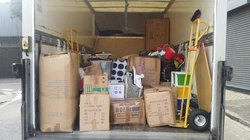
Health and Safety Policy for Moving Van Operations
Purpose: This policy sets out the safety principles and operational controls for any team operating a moving van, removal van, or van for moving goods. It applies to drivers, loaders, supervisors and any personnel engaged in relocation vehicle activities. The objective is to protect people, property and the environment by establishing consistent, practical safety measures.Scope: The policy covers vehicle operation, loading and unloading, manual handling, securement of goods, routine maintenance and incident management for relocation vehicles, including palletized loads and household items packed into a house moving van. It emphasises proactive risk reduction and clear responsibility allocation across all moving van activities.

Responsibilities and Leadership
All staff involved with moving vans must understand their roles. Managers are responsible for implementing, resourcing and reviewing the policy. Drivers and loaders must follow safe systems of work and report hazards. Everyone is expected to contribute to a positive safety culture by raising concerns early and cooperating with remedial actions.Risk Assessment and Safe Work Procedures
Before each job a documented risk assessment should be completed for the specific relocation activity. Controls should be proportionate and practical. Key elements to consider include:- Vehicle suitability: matching van size and payload capacity to the job;
- Load planning: sequence of loading and securement to prevent shifting;
- Access and egress: assessing stairs, lifts and driveways for safe operation;
- PPE requirements: appropriate gloves, footwear and high-visibility garments;
- Weather and site conditions: extra controls for wet, icy or uneven surfaces.
 Vehicle checks: Daily pre-trip and post-trip checks must be carried out and recorded. These checks cover lights, brakes, tyres, load restraints and any tail-lift equipment. Defects must be reported and the vehicle taken out of service until safe to use.
Training, Competence and Communication
Operators of moving vans should receive regular training in vehicle handling, manual handling techniques and load securement. Training ensures that drivers of a moving truck or a standard moving van understand stability, weight distribution and the risks associated with rapid manoeuvres. Communication between crew members is essential during loading and unloading; use of simple, agreed signals or radios reduces the risk of injury.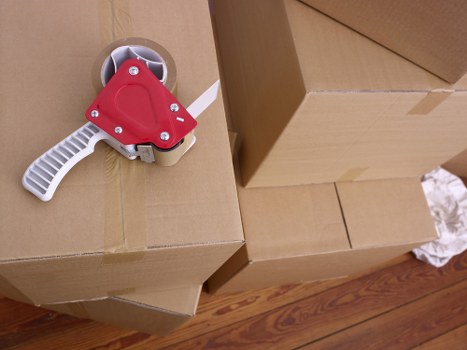 Manual Handling and Mechanical Aids Manual handling risk must be minimised. Where possible use trolleys, ramps and mechanical lifting aids to transfer heavy items. When lifting manually, adopt good posture, team lifting for bulky items and take breaks to avoid fatigue. The policy requires the provision and use of suitable aids for tasks that exceed safe manual handling limits for an individual.
Personal Protective Equipment (PPE): Appropriate PPE must be provided and worn where necessary. This includes protective footwear, gloves and high-visibility clothing. PPE is a last line of defence and works best alongside physical controls such as load restraints and safe vehicle design.
Loading, Securement and Transport Loading strategies must ensure that weight is distributed to maintain vehicle control and braking performance. Use straps, blocking and bracing to prevent load movement. Fragile and hazardous items require specific packaging and positioning to reduce risk. Drivers must ensure that doors and tail lifts are locked and that the load is stable before departure.
 Incident Reporting and Emergency Response Any incident, near miss or property damage must be reported immediately and recorded. A clear, accessible incident reporting process helps identify trends and prevents recurrence. In the event of a road incident, protect life first, secure the scene and then follow established emergency response procedures. All staff must know how to summon help and how to secure a vehicle safely to prevent secondary hazards.
Monitoring, Review and Continuous Improvement: The moving van safety policy will be reviewed periodically and after any significant incident. Regular inspections, audits and feedback from operational teams drive continuous improvement. Strong leadership and visible commitment to safety ensure that safe practices are embedded into daily operations. Records of training, vehicle checks and incident investigations should be maintained to support ongoing improvement and accountability.
Conclusion
This safety policy for moving vans and relocation vehicles outlines essential controls to protect people and property. Consistent application of these principles ??? suitable equipment, competent personnel, effective communication and robust monitoring ??? will reduce risk and improve the safety of every move. Regular review and practical leadership ensure the policy remains relevant and effective across different moving van operations.Commitment: All personnel are expected to uphold this policy, report hazards and participate in safety activities. Through cooperation and adherence to these standards, moving operations can be conducted efficiently and safely.
Policy review cycle: The policy should be evaluated at regular intervals and whenever operational changes occur to ensure it remains aligned with best practice for moving vans and related vehicle operations.