London Council Permit Guide for Moving Vans (Zones & Fees)
Moving in London has a habit of looking simple on paper and then becoming a bit of a puzzle the moment a van needs to stop outside the property. That is exactly where a London Council Permit Guide for Moving Vans (Zones & Fees) becomes useful. If you are planning a house move, an office relocation, or even a one-off delivery with a larger van, the rules around parking, loading, restricted zones, and council charges can shape the whole day.
In practice, the hardest part is rarely the lifting. It is the parking. One minute you are watching the clock, the next you are wondering whether the street is controlled, whether a bay suspension is needed, or whether the council will treat the stop as a standard parking contravention. Let's face it: London does not make moving vans guesswork-friendly. This guide breaks the subject down into plain English, so you can plan with confidence, avoid unnecessary fines, and understand what to check before move day.
We will cover how council permits usually work, why zones matter, what fees are commonly involved, how to compare options, and what to do if your move touches a busy or restricted part of the city. Along the way, you will also find practical checklists, a real-world example, and a few useful reminders that save people from expensive last-minute stress.
Why London Council Permit Guide for Moving Vans (Zones & Fees) Matters
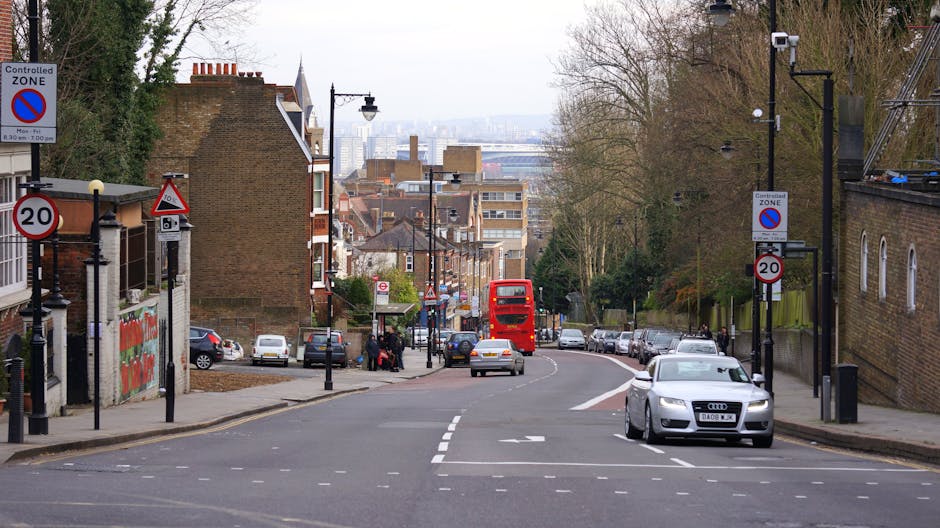
London is not one parking environment. It is a patchwork of controlled parking zones, loading bays, permit-only streets, red routes, timed restrictions, resident bays, and streets where stopping is only allowed for specific purposes and at specific times. For a moving van, that means the exact street can matter more than the postcode alone.
A good permit guide matters because one missed detail can trigger a chain reaction. If the van cannot stop legally, the crew may lose time carrying items farther than expected. If a bay suspension was needed but never arranged, another vehicle may be in the way. If the vehicle is too large for the street or the timing is wrong, a quick move becomes a stressful one. Nobody wants to be carrying a sofa through drizzle while a wardens' patrol goes by. Bit of a nightmare, frankly.
The phrase "zones & fees" is especially important because London councils often use local rules rather than one citywide system. Fees can vary by borough, by type of parking suspension or permit, by vehicle size, and by duration. A move in Westminster may involve a different parking approach than one in Wandsworth or Islington. Even within the same borough, one road can be very different from the next.
Key takeaway: the real value of a permit guide is not just avoiding a fine. It is making sure the van can actually do its job, in the right place, at the right time, with the least disruption possible.
How London Council Permit Guide for Moving Vans (Zones & Fees) Works
At a high level, the process usually comes down to three questions: where is the van stopping, how long will it be there, and what rules apply to that particular street or bay?
Most London moves fall into one of these scenarios:
- Loading and unloading in a lawful loading area where stopping is allowed for a short period.
- Using a resident or shared parking bay where a permit, dispensation, or suspension may be needed.
- Working on a restricted or busy road where council permission, bay suspension, or special arrangements are essential.
The permit itself is often tied to the council responsible for that street, not to the moving company. That means the move needs to be planned around the destination and, in some cases, the origin as well. If you are relocating from Kingston upon Thames to Camden, for example, you may be dealing with two different local systems.
Zones can also refer to parking management areas or controlled parking zones. These are the areas where restrictions are signposted and where waiting or loading may only be allowed under certain conditions. Fees may be charged for suspensions, permits, dispensations, or admin processing. The exact label changes by council, but the practical effect is similar: you are paying for the right to use space in a managed way.
A sensible way to think about it is this: the permit is not the move itself. It is the legal breathing room that allows the move to happen properly.
One small but important detail: some councils require lead time. So if you have a Friday move and only think about parking on Wednesday evening, you may already be in trouble. The calendar is part of the paperwork, whether people like it or not.
Key Benefits and Practical Advantages
When moving-day logistics are handled well, the benefits show up very quickly. You do not just save money. You save time, patience, and a fair amount of physical effort.
- Lower risk of fines or penalties. You reduce the chance of enforcement action for improper stopping or parking.
- Smoother loading and unloading. The van can park closer to the property, which means fewer trips and less carrying.
- Better time control. A legal stop removes one major source of delay on a day that is already full of moving parts.
- Less stress for neighbours and passers-by. Good planning avoids unnecessary blockages and awkward disputes.
- More efficient use of labour. If the vehicle is positioned well, the crew spends less time walking and more time loading.
There is also a quiet benefit people do not always mention: confidence. You can stand on the pavement, hear the traffic, look at the bay markings, and know the job has a proper plan behind it. That changes the whole mood of the move.
For businesses, the gains can be even more noticeable. Office relocations, stock transfers, and equipment moves often involve strict timing. A permit or bay arrangement can help keep staff, deliveries, and building access all moving in the right direction. If your move is part of a larger commercial operation, it may be worth comparing with commercial moving support or related removal services so the parking plan fits the rest of the schedule.
Who This Is For and When It Makes Sense
This guide is useful for anyone moving with a van in London, but it matters most when the street is likely to be controlled or the vehicle needs to stop near a busy property. In our experience, the people who benefit most are the ones who think ahead just enough to avoid a mess later on.
It is especially relevant if you are:
- moving from or into a permit-controlled street;
- using a large van, removal truck, or multiple vehicles;
- moving near central London, red routes, or heavily restricted roads;
- loading heavy furniture, appliances, or boxed inventory;
- arranging an office, shop, or short-notice relocation;
- trying to avoid parking fines, obstruction issues, or neighbour complaints.
It also makes sense if you are not sure whether a man and van service is enough or whether you need a larger vehicle such as a moving truck. Different vehicle sizes can change the parking options available, which is one of those details that seems small until the day arrives and the van simply will not fit where you hoped.
For home moves, the most common pinch points are narrow roads, limited waiting areas, and busy mornings. For office moves, the issue is often timing and access control. Either way, the central question is the same: can the vehicle legally and safely stop where the work needs to happen?
Step-by-Step Guidance
If you want a practical way to handle this, start with the street, not the van. The location decides the rules.
- Check the exact address and street restrictions. Look at whether the property sits inside a controlled parking zone, a loading bay, a red route, or a permit-only street.
- Identify the vehicle type and size. A small van, a removals van, and a larger truck may be treated differently in terms of access and bay fit.
- Decide whether the vehicle will load, unload, or wait. Some stops are acceptable for loading only, while others may require formal permission.
- Confirm whether a permit, dispensation, or bay suspension is needed. Councils may use different terms, but the goal is to secure lawful space for the move.
- Check lead time and application requirements. Some requests need notice, documents, and payment before approval.
- Estimate how long the space will be needed. Be realistic. A full flat move often takes longer than people expect, especially if stairs are involved.
- Plan for access obstacles. Think about lifts, entry codes, permit gates, narrow kerbs, and whether the vehicle can reverse or turn safely.
- Keep proof or confirmation with the driver. If permission is granted, it should be easy to show if questioned.
- Build in a small buffer. A 15-minute delay in London can easily become 45 minutes. Traffic, bins, school runs, and weather all chip away at the clock.
If you are moving within one borough, the job can be fairly tidy. If you are moving across borough lines, the process becomes more layered. For example, a move touching Greenwich, Tower Hamlets, or Westminster may involve very different local expectations. Not impossible, just more paperwork than anyone wants on a moving day.
Expert Tips for Better Results
There are a few habits that make a big difference, and they are not complicated. They are the sort of details that experienced movers quietly rely on.
- Measure the street before you assume anything. A bay may be legal but still awkward if the van has to block the kerb or protrude into traffic.
- Check the side of the street, not just the postcode. Different restrictions can apply across the road. Yes, really.
- Book time as if the job will take longer than planned. It often will. That is not pessimism; it is London.
- Use loading windows wisely. If your council allows short loading periods, make the first trip count and stage items properly before the van arrives.
- Coordinate with building management. Flats, apartment blocks, and managed estates sometimes have their own access rules on top of council rules.
- Choose the right vehicle size early. A van that is too small means extra trips; one that is too large may create parking trouble.
A practical trick: do a quick "arrival rehearsal" the day before. Walk the street, look at signs, spot the nearest legal stopping point, and think about the route from van to front door. It sounds a bit over-the-top, but those five minutes can save an hour later. And maybe your temper.
If the move is complex, pairing planning with a professional team can help. A general removal company or experienced movers can often advise on vehicle fit, timing, and parking risk before the day itself.
Common Mistakes to Avoid
Most move-day parking problems are preventable. The trouble is, people often assume the rules are either obvious or identical across London. They are not.
- Assuming the move can be "quickly" done without permission. Enforcement does not usually care that you were only there for a moment.
- Ignoring the difference between loading and parking. Loading rules can be more flexible, but they are still rules.
- Forgetting that the destination street may have different restrictions. The old place and the new place may need separate planning.
- Leaving permit checks until the night before. That is a classic mistake, and it turns calm planning into frantic phone calls.
- Choosing a vehicle that is too big for the street. A larger van sounds efficient until it cannot legally or safely stop.
- Not checking for event restrictions or timed controls. Some roads change character at certain times of day.
- Assuming "everyone else does it." Popular does not mean legal. That one catches people out a lot.
One of the most common slip-ups is underestimating how many council systems are in play. A move in Central London may involve more layered parking pressure than somewhere farther out, but outer boroughs can still be strict. So yes, even if you are moving to a quieter-looking street, do not skip the checks.
Tools, Resources and Recommendations
You do not need a stack of complicated tools to get this right. A simple, disciplined approach is usually enough.
- Street photos from your phone. Useful for checking signs, bays, and access points later.
- A written move plan. Time, address, vehicle size, contact numbers, and parking notes all in one place.
- Measurements of the furniture and access points. Door widths, stair turns, lift sizes, and van loading height matter more than people think.
- Booking confirmation or permit documentation. Keep it handy for the driver and the property contact.
- A contact list for the building manager, driver, and key holder. When one person gets delayed, you want another route to solve it.
If you want a service-led approach, it can help to compare the wider moving options available on the website, such as home moves, house removals, office removals, and packing and unpacking services. The parking plan should match the moving service, not sit beside it as an afterthought.
If you are still early in the process, the pricing and quotes page can also help you think about what is included and what may affect the final cost. That is often the bit people wish they had checked sooner.
Law, Compliance, Standards, or Best Practice
This topic touches on parking control, local authority permissions, road use, and vehicle access, so the safest approach is to treat it as a compliance issue rather than a casual convenience. The exact rules depend on the borough, the street, and the type of stopping required. Council terms vary too. One authority may talk about a bay suspension, another about a parking waiver or dispensation.
Because of that variation, the best practice is simple: verify the local arrangement before the van arrives. Do not rely on assumptions from another borough, another move, or another date. London streets can change character quickly, and what worked in one place can be the wrong call just a few miles away.
For operators and households alike, good practice usually includes:
- confirming whether the vehicle can legally stop in the chosen place;
- checking if the move needs advance permission or notification;
- keeping proof of approval available on the day;
- using safe loading methods and avoiding obstructions;
- following site-specific instructions from buildings, estates, or councils;
- making sure the vehicle and crew can work without creating a hazard.
If you are handling a home or business move with a reputable provider, it is sensible to ask how they manage parking, access, and timing. A trustworthy firm should be comfortable discussing these details. If they brush it off, that is a little warning sign right there.
For safety-minded planning, you may also want to review the site's insurance and safety information and health and safety policy so the move is covered from more than one angle.
Options, Methods, or Comparison Table
Different move types need different parking strategies. The right choice depends on street restrictions, the amount of furniture, the size of the vehicle, and how long the loading will take.
| Option | Best for | Main advantage | Watch out for |
|---|---|---|---|
| Short loading stop | Small or fast moves in suitable streets | Simple and quick if the rules allow it | Often unsuitable for longer jobs or strict zones |
| Permit or dispensation | Controlled parking areas and longer stops | More reliable access near the property | May need notice and council approval |
| Bay suspension | Busy streets where a specific bay must be reserved | Creates dedicated space for the van | Fees and lead times can be higher |
| Professional removal planning | Complex house or office relocations | Parking, packing, and timing handled together | Needs clear coordination and communication |
If you are comparing methods, the main question is not "which sounds easiest?" but "which one gives the van the safest legal access with the least disruption?" That question tends to lead you to the right answer pretty quickly.
People sometimes think a smaller vehicle automatically solves everything. Sometimes it does. Sometimes it just means more trips, more fuel, and more time spent looking for a place to stop. In dense areas, a well-planned larger van can actually be the cleaner option.
Case Study or Real-World Example
Imagine a two-bedroom flat move from a managed street in Clapham to a top-floor property near Fitzrovia. The loading at the old address seems straightforward at first, but the destination street is tighter, more controlled, and more likely to be busy around lunchtime.
The first instinct might be to book a van and hope for the best. A better plan is to check the destination street first, confirm whether a reserved stop is needed, and make sure the vehicle chosen can fit the access conditions. In this kind of move, the team may decide to use a man with van style setup for flexibility, or a larger vehicle if the volume of items means fewer trips overall.
On the day, the biggest improvement comes from preparation. Boxes are labelled, the longest items are loaded last, and the vehicle is positioned so that the furthest room can be emptied without carrying wardrobes across half the block. No drama, no scramble, just a bit of order in the chaos. That is usually the difference between a move that feels brutal and one that feels merely busy.
What made the difference here was not luck. It was matching the parking approach to the street conditions and the load size. That is the whole point of planning around zones and fees. The move itself becomes easier because the van is legally where it needs to be.
Practical Checklist
Use this before move day. It is simple, but it saves a lot of pain.
- Confirm the exact pickup and drop-off addresses.
- Check whether each street sits in a controlled parking zone or restricted area.
- Identify any loading bay, permit, or suspension requirements.
- Match the vehicle size to the street and the amount of furniture.
- Book enough time for loading, travel, and unloading.
- Keep confirmation, permits, or instructions easily accessible.
- Share parking notes with the driver and any helpers.
- Check whether building access, lifts, or estate rules apply.
- Prepare a backup plan if the first stop is blocked.
- Do a final walk-through of both properties before the van leaves.
Quick reassurance: if this feels like a lot, it is because London moves are a lot. But once the parking side is sorted, everything else gets easier.
Conclusion
A good London Council Permit Guide for Moving Vans (Zones & Fees) is really about reducing uncertainty. It helps you understand where the van can stop, what local restrictions apply, which fees may be involved, and how to avoid the kind of delays that turn a move into a long day for all the wrong reasons.
The main lesson is simple: do not leave parking and permit planning until the last minute. Check the street, match the vehicle, allow time for approvals if needed, and treat each borough as its own little rulebook. Once you do that, you take a lot of pressure out of the day. And honestly, moving in London is hard enough without battling the curb as well.
If you are comparing moving support, reviewing your options early can save money and a fair bit of stress later on. A clear plan now usually means a calmer move, fewer surprises, and a better outcome all round.
Get a free quote today and see how much you can save.
Sometimes the smartest move is the quiet one: plan well, arrive prepared, and let the day unfold without the usual London parking drama.
Frequently Asked Questions
Do I always need a council permit for a moving van in London?
Not always. It depends on where the van will stop, how long it will stay, and whether the street is controlled or restricted. Some locations allow short loading, while others need formal permission or a bay suspension.
What is the difference between a permit, a dispensation, and a bay suspension?
The labels vary by council, but broadly speaking, a permit or dispensation may allow a vehicle to stop in a controlled area for a specific purpose, while a bay suspension reserves a parking bay for your use. The exact meaning depends on the local authority.
How much do London council moving van fees usually cost?
Fees vary by borough, by type of arrangement, by duration, and sometimes by vehicle size. There is no single London-wide price, so it is best to check the relevant council arrangement for the street involved.
How far in advance should I arrange parking permission?
As early as possible. Some councils need notice, and the busiest areas can become complicated quickly. If your move is time-sensitive, do not leave the parking plan until the last few days.
Can I just use hazard lights and unload quickly?
Sometimes people try that, but it is not a safe or reliable plan. Loading rules can be strict, and enforcement may still apply. A quick stop is not the same thing as legal permission.
Do the rules change between boroughs?
Yes, they often do. London is not one uniform system. A road in one borough may have different parking controls, booking rules, or fees from a street only a short distance away.
What if my street is too narrow for the moving van?
That is where vehicle choice and planning matter most. You may need a smaller van, a different loading point, or a more organised unloading method. In some cases, a larger vehicle elsewhere and a smaller shuttle arrangement can be more practical.
Does a house move need the same permit planning as an office move?
The principles are similar, but office moves often involve tighter time windows, building rules, and more coordination with facilities teams. House moves usually focus more on access, stairs, and neighbour-facing parking restrictions.
What documents should I keep on the day of the move?
Keep any approval, confirmation email, booking reference, and contact details for the council or moving provider. If there is a dispute or a question on-site, having proof handy can make things much easier.
Is it better to choose a smaller van to avoid parking issues?
Not automatically. A smaller van may fit easier, but it can mean more trips and more time on the road. The best choice balances street access, load size, and the time you have available.
What should I do if the permitted space is already occupied on the day?
Contact the relevant party immediately if you have one. If not, use your backup plan. This is why checking the street before the move and keeping the arrangements clear matters so much. A calm fallback is worth its weight in boxes.
Where do removal and moving service options fit into this?
They fit in as part of the wider plan. Parking, vehicle size, packing, timing, and access should all be considered together. If you are still choosing a service, comparing options such as removals, removal van, or man and van removals can help you match the move to the street conditions.
Can I use this guide for moves outside central London too?
Yes. The same planning logic applies across London and even to nearby areas. The exact rules change from place to place, but the core idea remains the same: check the street, understand the restrictions, and plan the vehicle around them.