Clapham Common London Removals: Parking and Lift Access
Moving around Clapham Common can look straightforward on a map, then suddenly turn messy the moment a van arrives and the lift is out of service, the parking bay is already taken, or the building manager wants notice before loading starts. That is exactly why Clapham Common London Removals: Parking and Lift Access needs a proper plan, not just a moving date and a few cardboard boxes. Around this part of South London, the difference between a smooth move and a stressful one is often down to access: where the vehicle can stop, how long it can stay, and whether the lift can actually be used for heavy furniture.
This guide breaks down what matters, how the process usually works, and how to avoid the little problems that quietly eat up time. If you are moving into a flat near the Common, out of a mansion block, or handling a business move in the wider London removals network, the same rule applies: good access planning saves effort, money, and a lot of awkward stair-climbing.
Quick expert summary: parking and lift access are not admin details. They are operational details. Get them wrong and your move slows down before the first box is even out of the van. Get them right and the day tends to feel calmer, cleaner, and a lot more controllable.
Why Clapham Common London Removals: Parking and Lift Access Matters
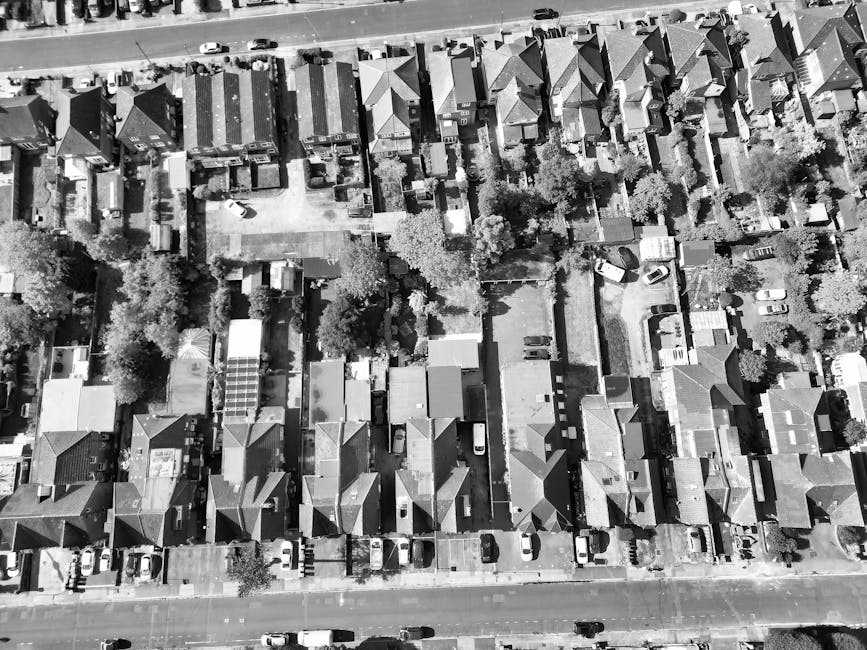
Clapham Common is popular for a reason. It has good transport links, a mix of period conversions and modern apartments, and a steady flow of households moving in and out. The catch? The area can be tight for large vehicles, and many buildings have access rules that are not obvious until you are standing outside with a trolley and nowhere to put it. To be fair, that is London in a nutshell.
Parking matters because removal work is time-sensitive. A van that cannot park close enough to the entrance creates extra carrying distance, and extra carrying distance creates extra labour time. Lift access matters for the same reason. A working lift can dramatically reduce the physical strain of moving heavier items, but only if it is booked, protected, and suitable for the job. Even a decent lift can become a bottleneck if the building reserves it for residents or if the controls are set to stop at certain floors only.
There is also a practical comfort issue. Moves are already emotionally full-on. People are juggling keys, cleaning, parking anxiety, and the feeling that one wrong turn could delay the entire day. When the access plan is clear, the whole move feels less like controlled chaos. You still have work to do, obviously, but it becomes ordinary work rather than problem-solving under pressure.
If you are planning a home move, it helps to pair access planning with a dependable moving team such as house movers or a flexible local crew through man and van removals. That way the vehicle size, crew size, and access method all line up properly instead of being guessed on the day.
How Clapham Common London Removals: Parking and Lift Access Works
In practice, this type of move starts well before moving day. The team needs to know what kind of property they are dealing with, where the van can stop, whether there is a lift, and whether the lift is large enough for wardrobes, sofas, mattresses, or office equipment. For a lot of Clapham Common properties, the access picture is a mix of on-street parking, controlled bays, basement entrances, shared hallways, and lifts that are perfectly fine for residents but a bit awkward for furniture.
Parking arrangements usually fall into one of three buckets:
- Close, lawful stopping space right near the entrance.
- Restricted parking that may require loading only, short stays, or a permit.
- Alternative stopping points where the van is nearby, but not next to the door.
Lift access is similar. You are checking whether the lift is available, what size load it can handle, whether it is protected with covers or blankets, and whether the building has any rules for booking the lift. In some blocks, the lift must be reserved in advance; in others, the concierge or building manager may ask for a deposit or a time window. In older properties, there may be no lift at all, which means stair access, landings, and carry routes become the key planning points.
Once this information is gathered, the removal team can decide whether to use a smaller vehicle, whether to bring extra labour, or whether to stagger the load in phases. That is the real strength of good access planning: it turns a vague move into a workable sequence. If you want a broader idea of how a professional service is organised, the overview on removal services is a useful starting point, and for vehicle-focused work, the page on removal van explains the transport side well.
Key Benefits and Practical Advantages
Good parking and lift planning does more than shave a few minutes off the clock. It changes the shape of the move.
- Less carrying distance: If the van can stop close to the entrance, the crew spends less time walking back and forth with heavy items.
- Lower risk of damage: Shorter, more direct routes reduce the chances of scraping walls, bumping frames, or dropping awkward items.
- Better crew efficiency: Movers can stay in a proper rhythm instead of wasting energy on avoidable delays.
- Less stress for the customer: You do not want to spend the day chasing parking, apologising to neighbours, or waiting on a lift that nobody booked.
- Cleaner timing estimates: Accurate access information helps the quote and schedule make more sense.
Another benefit people sometimes overlook is neighbour relations. Clapham Common has a lot of shared-access living: apartments, terraces, side returns, communal entrances. If a move is noisy, blocked, or disorganised, it tends to be noticed. A well-managed arrival, with the van positioned properly and the lift booked, is simply less disruptive. Nice for you, nice for everyone else. A rare win-win, honestly.
For people comparing providers, access capability should sit alongside service quality and price. It is no use finding a low headline figure if the team cannot handle a narrow street, a basement walk-up, or a managed building. If you are still comparing options, movers and removal companies pages can help you see the difference between a general service and one that is properly equipped for local conditions.
Who This Is For and When It Makes Sense
This topic matters for more people than you might think. It is not just for large family houses or complicated office relocations. In Clapham Common, access issues can affect almost any move.
Typical movers who need parking and lift planning
- Flat movers in converted Victorian or Edwardian buildings
- People moving into managed apartment blocks with booked lifts
- Tenants moving on weekends when parking is tighter than usual
- Families with bulky furniture and prams, cot beds, wardrobes, or white goods
- Small businesses relocating across South London
- Older residents or anyone who needs a less physically demanding route
It also makes sense if you are moving during a busy time of day, or if your property sits on a road where parking is already competitive. Clapham Common and the wider Wandsworth and Lambeth areas often see a mix of residential parking controls, commuter traffic, and narrow loading windows. That combination can be fine, but only when someone has checked the details in advance.
If your move is modest in size, a smaller vehicle may be enough. If it is a full household move, or if you have to navigate stairs and lift bookings, a more experienced setup usually pays for itself in reduced friction. Truth be told, the move becomes easier long before the first box leaves the hallway.
Step-by-Step Guidance
Here is a practical way to handle Clapham Common removals when parking and lift access are part of the equation.
- Check the property access early. Ask whether the building has a lift, whether it works on moving day, and whether it needs booking.
- Measure the important bits. Doorways, corridor turns, lift dimensions, stair widths, and the size of large items all matter.
- Confirm parking rules. Find out whether the street has permit restrictions, loading bays, yellow lines, or time-limited stopping.
- Share the details with your removals team. Good removal planning depends on honest information, not optimistic guesses.
- Protect the route. Use floor coverings, door protectors, and lift protection where needed.
- Decide the loading order. Put awkward items, fragile items, and heavy furniture in the right sequence.
- Build in some buffer time. London access rarely runs like clockwork. A small delay is normal. A calm plan absorbs it.
If you are arranging a smaller domestic move, many customers find a man with a van arrangement works well when the access route is simple. For larger or more awkward removals, the more tailored man with van removal option can be a better fit because it balances vehicle size and loading support more carefully.
A simple example: if the van can stop right outside and the lift is booked, a two-bed flat move can be relatively tidy. If the van has to park round the corner and the lift is unavailable, the same move suddenly becomes a much longer day. Same furniture, different access. Huge difference.
Expert Tips for Better Results
These are the small things that tend to separate a smooth move from a frazzled one.
- Send photos before the move. Stairs, parking spaces, loading entrances, lift doors, and hallway corners can be assessed from a few decent images.
- Book the lift like you mean it. If the building allows reservations, take the slot seriously and keep a record of it.
- Choose the right start time. Early starts can help with traffic and building access, though they are not always ideal for everyone.
- Ask about furniture size before the move. A sofa that just fits in the lift is still awkward if it needs a twist at the door. That twist is where trouble starts.
- Keep essentials separate. Keys, phone charger, kettle, documents, and medication should not be buried in the back of the van.
- Protect the building as well as your belongings. Stair rails, lift walls, and lobby corners are easy to mark if nobody is paying attention.
One thing we notice a lot: people focus on packing and forget the route. Yet the route is what determines how hard the day feels. You can pack brilliantly and still have a rough move if the access plan is poor. So ask the slightly boring questions. They are the useful ones.
If your move is business-related, it is worth looking at office removals too, especially if building access, lift use, and parking schedules must be coordinated around staff and opening hours.
Common Mistakes to Avoid
Most access problems come from the same handful of mistakes. They are avoidable, but they happen all the time.
- Assuming parking will be fine. It often is not. Even a short loading stop can be affected by local restrictions.
- Forgetting to tell the removals team about the lift. A lift that exists on paper but is out of service on the day changes everything.
- Not measuring large items. Wardrobes, beds, and sofas have a habit of becoming the main problem at the exact moment you are least ready for them.
- Leaving building permissions too late. Some blocks want notice, and some want proof of insurance or booking references.
- Underestimating street congestion. Clapham Common can be busy, especially around school runs, commuting periods, and weekends.
- Using the wrong vehicle size. Too small and you create extra trips; too large and you make parking more difficult than it needs to be.
There is also a subtle mistake: people sometimes think access issues are only the removals company's problem. They are not. You and the movers are working together. The better the information you share, the better the day runs. Simple, but easy to overlook when everything is happening fast.
Tools, Resources and Recommendations
You do not need specialist equipment to plan well, but a few basic tools make the process much easier.
- Phone camera: Use it to capture entrance steps, parking signs, lift interiors, and any narrow turns.
- Tape measure: Essential for checking large furniture and lift openings.
- Building instructions or emails: Keep booking notes, permit details, and concierge guidance in one place.
- Labelled box system: Not access-specific, but it speeds up unloading when the crew has to work quickly.
- Quote request form or written checklist: Helpful for sharing the same details with multiple providers.
For pricing questions, it is sensible to review pricing and quotes so you understand what information helps shape a realistic estimate. Access details often influence quote accuracy more than people expect.
And because moving day is busy enough without payment worries, it is also sensible to understand the provider's payment and security approach in advance. That is one less thing to think about when you are halfway between homes.
If your move involves clearing unwanted items or broken furniture, the recycling and sustainability page is worth a look. It can help you reduce waste and plan disposal responsibly instead of leaving it as a last-minute scramble.
Law, Compliance, Standards, or Best Practice
Access planning sits in a practical, real-world space where legal rules, council controls, and building policies can all overlap. The exact rules depend on the street, the borough, and the property, so it is better to treat this as a check-and-confirm task rather than assume a standard answer.
In London, parking restrictions can include permit bays, loading-only areas, single yellow lines, double yellow lines, and time-controlled stopping zones. A removals van does not automatically get a free pass just because it is loading. Sometimes loading is allowed, sometimes it is restricted, and sometimes there are conditions attached. That is why checking the street signs and confirming with the relevant local authority or property manager is sensible.
Lift use can also be governed by building rules. Managed blocks may ask for advance booking, proof of insurance, time slots, floor protection, or restrictions on moving large items through common areas. These are not unusual. They are part of normal shared-building management, and a good removals process respects them.
From a best-practice perspective, a professional move should also consider safety, manual handling, and property protection. If you want to review how a provider handles this side of the job, have a look at health and safety policy and insurance and safety. These pages help set expectations for careful, responsible work. They also tell you a lot about how seriously a company treats the details, which matters more than people often realise.
For readers who prefer a fuller view of business standards and company transparency, the site also provides an accessibility statement and a complaints procedure. Those are useful trust signals, especially if you value clear communication before and after the move.
Options, Methods, or Comparison Table
Different access situations suit different moving methods. Here is a straightforward comparison to help you choose.
| Method | Best for | Strengths | Watch-outs |
|---|---|---|---|
| Small van, minimal crew | Light moves, simple access, short carrying distance | Flexible parking, often easier in tighter streets | Not ideal for bulky furniture or multiple trips |
| Standard removal van with helpers | Most flats and household moves | Good balance of capacity and handling support | Needs better parking planning than a small van |
| Lift-assisted move | Managed buildings, upper-floor flats, heavier loads | Reduces stair carrying and speeds up loading | Requires booking, protection, and a functioning lift |
| Stair carry route | Older buildings or lifts that are too small or unavailable | Works even when lift access is limited | More physical effort, longer times, greater care needed |
If you are undecided, ask yourself one simple question: what is likely to slow the day down most, the street or the building? In Clapham Common, it is often both, which is why a balanced plan usually works better than trying to force a one-size-fits-all approach.
Case Study or Real-World Example
Here is a realistic example based on the kind of move that comes up often around Clapham Common.
A tenant moving out of a two-bedroom flat on a residential street had arranged a morning slot with the building manager for lift access. The street itself had limited stopping space, so the removals team checked the parking signs in advance and planned to use the closest lawful loading area. The lift was protected with covers, large furniture was moved first, and smaller boxes followed in clear, labelled runs. Nothing dramatic happened. Which, in removals, is usually the point.
Now compare that with a less prepared version of the same move. The van arrives, only to find the nearest bay occupied, the lift not booked, and a sofa that is too wide for the shared hallway turn unless it is tilted and rotated carefully. Suddenly the job takes longer, the customer feels tense, and the crew has to improvise. Nobody enjoys that version of the day.
The lesson is simple: access planning does not just make things easier. It stops minor issues becoming big ones. And in a busy London area, that is worth a lot.
Practical Checklist
Use this checklist before moving day. It is simple, but honestly, it covers most of what goes wrong.
- Confirm the moving date and time window
- Check whether the building has a lift
- Book the lift if required
- Measure large furniture and lift dimensions
- Check parking signs and loading restrictions
- Ask whether a permit or temporary parking arrangement is needed
- Share access photos with the removals team
- Protect floors, walls, and lift interiors where necessary
- Keep keys, documents, and essentials separate
- Plan for a little extra time if access is tight
Useful rule of thumb: if you are unsure about parking or lift access, treat it as a risk to be solved now, not a detail to be handled later. Later is where most moving-day headaches are born.
For people searching more broadly for local help, removals near me can be a sensible route into finding a service that understands your area, your building type, and the realities of London streets.
Conclusion
Clapham Common moves are often manageable, but they are rarely simple by accident. Parking and lift access shape the whole day, from the size of the vehicle to the pace of loading and the amount of lifting required. If you take those two things seriously, everything else becomes easier. The route is clearer. The timing is better. The stress drops.
Whether you are moving a studio flat, a family home, or a small office, the best results usually come from early checks, realistic planning, and honest communication. That is especially true in busy South London, where a few minutes of preparation can save a lot of faffing later on. And yes, sometimes the difference between a smooth move and a rough one is just a booked lift and a decent parking plan. Small things. Big impact.
If you are ready to compare options, review the service details, confirm your access needs, and choose the right support for your property, take the next step with confidence.
Get a free quote today and see how much you can save.
And if you are still in the planning stage, that is completely fine too. A good move starts with a calm conversation, a few accurate details, and the sense that somebody has already thought through the awkward bits for you. That alone can make the whole experience feel a lot lighter.
Frequently Asked Questions
Do I need to book parking for removals near Clapham Common?
Not always, but it is often wise to check. Parking and loading rules vary street by street, and some blocks or roads can be much tighter than they look. If the van cannot stop close by, the move usually takes longer.
What if the lift is too small for my furniture?
Then the removals team will usually need to use stairs, dismantle the item, or take a different handling approach. It is much better to know this before moving day, because a tight lift can change the whole loading plan.
Can a removals van stop on double yellow lines for loading?
Sometimes loading may be permitted, but not always and not without conditions. The rules depend on the location, timing, and local restrictions, so it is best not to assume. Check the signs and confirm if needed.
How far in advance should I arrange lift access?
As early as possible, especially in managed apartment blocks. Some buildings need advance notice or a formal booking slot, and leaving it late can mean the lift is unavailable when you need it.
What should I tell the removals company before the move?
Share the property type, floor level, lift details, parking situation, access codes, loading entrance, and any bulky items. A few clear photos can help too. The more accurate the information, the better the plan.
Is a man and van service enough for a Clapham Common flat move?
It can be, especially for smaller loads and straightforward access. For heavier or larger moves, or where stairs and parking are tricky, a more tailored removal setup may be a better fit.
What happens if the parking bay is occupied on the day?
The team may need to use an alternative lawful stopping point, adjust the loading route, or wait briefly if conditions allow. That is why checking access in advance matters so much.
Do I need to protect the lift during a move?
In many managed buildings, yes. Lift protection helps reduce scuffs and damage, and it also shows good respect for the property. Some buildings request it as part of their moving policy.
Are weekend moves harder around Clapham Common?
They can be, mainly because parking and local activity may be busier. That does not make weekend moves impossible, just a bit more dependent on good planning.
How can I make a flat move feel less stressful?
Prepare the access details early, label boxes clearly, keep essentials separate, and confirm the parking and lift plan with your removals team. Small bits of preparation really do make the day feel calmer.
What if my building has no lift at all?
Then the team will plan for stair access, which may mean extra care, extra labour, or a different loading sequence. It is perfectly manageable in many cases, but it should be factored into the job from the start.
Can I use the same access plan for both loading and unloading?
Sometimes, yes, but not always. The two addresses may have different parking rules, different lift arrangements, or different building managers. Treat both sides of the move as separate access checks.
Where can I find more about safety and service standards?
You can review the company's health and safety policy, insurance and safety information, and general removal services details for a clearer picture of how work is handled.