Ultimate UK removals checklist for moving day 2026

Moving day has a way of making even the calmest person feel slightly frantic. Boxes everywhere, a kettle you can't find, someone asking where the freezer contents are, and the keys you absolutely swear you left on the hall table. The good news? A proper Ultimate UK removals checklist for moving day 2026 takes a lot of that pressure off. It turns a messy day into a sequence you can actually follow.
This guide is built for real life in the UK: flats with awkward stairwells, terraced houses with tight streets, parking that disappears just when you need it, and the usual final-day scramble. Whether you are hiring a full removals team, using a man and van, or doing most of the job yourself, the aim is the same: fewer surprises, less damage, and a move that feels managed rather than survived. Let's get you there.
Why Ultimate UK removals checklist for moving day 2026 Matters
A moving day checklist matters because moving is a chain of small jobs, and if one part slips, the rest tends to wobble. In our experience, most avoidable moving-day stress comes from simple things: a sofa that won't fit through the door because nobody measured, the broadband not being cancelled or transferred in time, or the van arriving before the parking bay is sorted. Nothing dramatic. Just enough to throw the day off.
For a UK move in 2026, the checklist is even more useful because expectations are higher. People often want a faster turnaround, less waste, cleaner handovers, and tighter coordination between sellers, buyers, landlords, and movers. That is fair enough. A checklist helps you keep the moving parts in one place instead of in your head, where they tend to multiply at 11pm.
It also gives you a decision tool. If you are still comparing options, the checklist helps you see whether you need a removal company, a smaller removal van, or a more flexible home moves service. That alone can save time and a fair bit of money.
Expert summary: a good moving-day checklist is not just a list of chores. It is a control system for timing, packing, access, transport, and handover. Use it to reduce panic, not just to feel organised.
How Ultimate UK removals checklist for moving day 2026 Works
The checklist works by breaking moving day into a clear sequence: before the van arrives, while loading, during travel, and at the new property. That sequence matters more than people think. If you pack by room but load by "whatever fits", you often create chaos at the other end. If you label everything clearly and keep essentials aside, unpacking becomes a lot easier. Small thing, big difference.
Think of it as a series of checkpoints. You confirm the property is ready, the keys are available, the access route is clear, and the items you need immediately are separate from everything else. Then you work through each stage without improvising too much. Moving day rewards boring organisation. Honestly, it does.
If you are using professional help, the checklist also supports the handover. A good team can move quickly when they know what is going, what is fragile, what needs dismantling, and where the loading point is. If you are booking removals or comparing removal services, these details make your quote and your move more accurate.
Key Benefits and Practical Advantages
The obvious benefit is reduced stress. But the practical value goes much further than that. A strong moving checklist helps you avoid damage, save time, and keep control over costs. It also makes it easier to brief movers clearly, which can improve the whole experience without anyone needing to rush about in a panic.
- Fewer forgotten items: passports, chargers, medication, pet essentials, and keys are less likely to disappear into a random box.
- Less damage: better packing, clearer labelling, and sensible loading reduce breakages and scratches.
- Faster unloading: when boxes are grouped sensibly, the new place comes together quicker.
- Better coordination: you know what needs doing before, during, and after the move.
- Cleaner cost control: fewer last-minute extras, fewer wasted trips, and fewer avoidable delays.
There is also a subtle psychological benefit. When you know the day is structured, you feel more able to breathe. It sounds almost too simple, but it really does help. People tend to make better decisions when they are not operating in pure adrenaline.
Who This Is For and When It Makes Sense
This checklist is for anyone moving home in the UK in 2026, but it is especially useful if your move has any of the usual complications: narrow roads, flats without lifts, limited parking, children underfoot, pets that hate noise, or a tight completion window. If that sounds familiar, yes, this is for you.
It also makes sense if you are moving from or to busy parts of London, where timing and access can be the difference between a smooth move and a miserable one. A morning arrival in Central London is a different beast from a suburban driveway move in a quieter area. Same boxes, different reality.
Homeowners, renters, landlords, students, and small business owners all benefit from a checklist. For business moves, the stakes are a bit different because downtime matters. If that is your world, you may also want to look at office relocation services or commercial moves. For residential moves, a service such as house removals or house movers may be more suitable.
If you are only shifting a few large items, a lighter option may make more sense. Not everything needs a full lorry and a four-person team. Sometimes you just need the right van, the right timing, and a clear plan.
Step-by-Step Guidance
Here is the cleanest way to run moving day without losing track of the basics.
1. Confirm the move details the day before
Check addresses, contact numbers, arrival time, parking arrangements, access instructions, and whether any items need dismantling. If you are using a service like pricing and quotes to finalise the booking, make sure the inventory still matches what is actually going. A last-minute extra mattress or wardrobe can change the whole plan.
2. Pack a priority bag
This is the bag or suitcase you keep with you, not in the van. Put in documents, medication, chargers, toiletries, a change of clothes, snacks, kettle essentials, pet supplies, and anything needed for children. If you have ever spent ten tired minutes hunting for a toothbrush while standing in a hallway full of boxes, you already know why this matters.
3. Clear access at both properties
Move bins, bikes, loose furniture, and anything that blocks the path. In a London street, even a little obstruction can be a nuisance. Inside the home, clear hallways and stairways so the team can move safely and quickly. That includes checking for rugs, trailing cables, and awkward side tables that always seem to catch someone's shin.
4. Do a final meter reading and utility check
Before you leave, record meter readings if needed and take photos for your records. Check taps, windows, lights, and appliances. It is boring, yes, but future-you will be grateful. The same goes for posting keys, handing over manuals, and noting any issues that need reporting to the landlord or agent.
5. Load the van in a sensible order
Load heavier furniture first, then stacked boxes, then fragile items, and finally the essentials you want nearest the exit at the new place. If the movers are handling this, brief them clearly about breakables and "do not crush" boxes. A small label can save a lot of awkwardness. To be fair, movers are good at reading situations, but they are not mind readers.
6. Check the old property room by room
Once the van is away, walk through every room, cupboard, loft space, shed, and under-stairs area. These are the places where forgotten chargers, spare keys, paperwork, and random cleaning supplies like to hide. It happens to everyone. Even the very organised. Especially the very organised, perhaps.
7. Manage the handover properly
Leave keys where agreed, confirm completion of any last tasks, and lock up securely. If there is a property manager, landlord, or agent involved, keep the handover simple and documented. A quick message can prevent a lot of confusion later.
8. Unload with purpose at the new place
Set up the priority room first, usually the kitchen or one bedroom. Put the kettle on early if you can. There is something quietly stabilising about that first cup of tea in an empty new house, with echoing floors and boxes stacked shoulder-high. It is a small ritual, but it helps.
Expert Tips for Better Results
The best moving days are not the most ambitious ones. They are the ones with a few smart choices made early. Here are the ones that matter most.
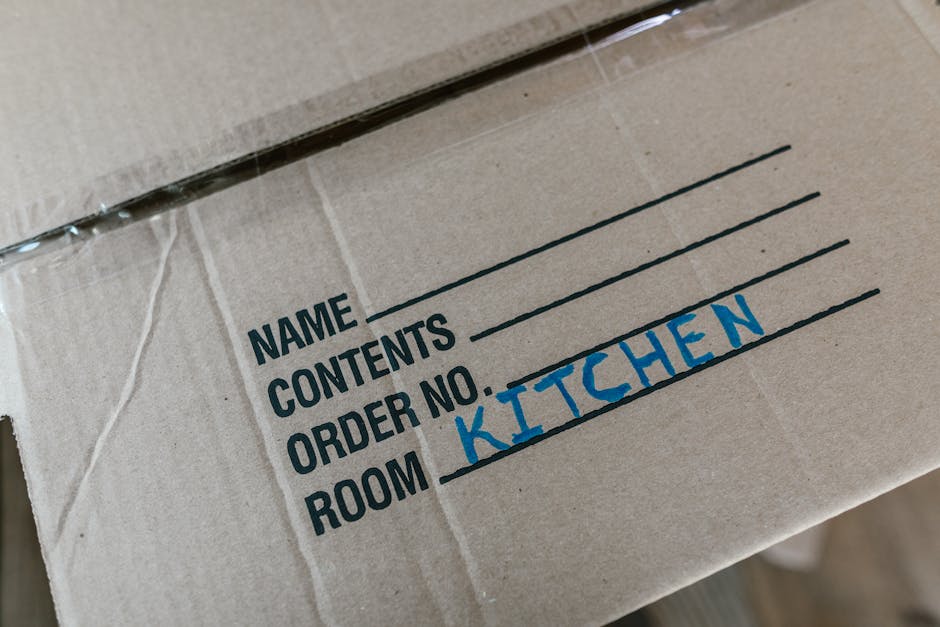
- Label by room and priority: "Kitchen - open first" is better than just "Kitchen".
- Pack a first-night box: include bedding, cutlery, toilet roll, mugs, hand soap, and basic tools.
- Photograph cable setups: especially TVs, routers, and desktop equipment.
- Measure bulky items: if the sofa barely made it in last time, measure it before the move, not after.
- Keep screws and fittings together: tape them to the furniture or store them in clearly labelled bags.
- Book parking with realism: if the van needs space, make sure that space is actually usable.
A useful habit is to think in terms of "moving friction". What will slow you down on the day? Usually it is not one giant problem. It is five small ones at once. A narrow stair, a missing parking spot, a pet underfoot, a box without a label, and someone asking where the bedding is. Sort those out and the day feels far more manageable.
If you need help with fragile items or full-room packing, a professional packing and unpacking services option can be worth considering. It is especially useful if you are short on time or simply do not want to spend the night before filling boxes until 1am.
Common Mistakes to Avoid
Most moving mistakes are not dramatic. They are ordinary, avoidable, and very human. That is the annoying part.
- Leaving essentials in the van: medication, keys, phone chargers, and documents should stay with you.
- Poor labelling: if every box looks the same, unpacking becomes guesswork.
- Underestimating access: stairs, tight corners, low ceilings, and parking restrictions can all slow a move.
- Not checking insurance: if you are hiring movers, know what is covered and what is not.
- Forgetting cleaning time: even a quick sweep can make a big difference on handover.
- Booking the wrong vehicle size: too small means extra trips; too large can be awkward in restricted streets.
One of the sneakiest mistakes is assuming someone else will remember something for you. They probably won't. Or rather, they might, but not always the right thing at the right time. Keep a single written checklist and use it yourself.
Tools, Resources and Recommendations
You do not need fancy gear for a good move. You do need the right basics, though. A few sturdy boxes, packing tape, marker pens, furniture covers, and a trolley can make life much easier. Moving blankets and mattress protectors are also worth it if you care about keeping things clean and scratch-free.
For people who want a more hands-off approach, consider comparing a standard removal truck hire option with a smaller moving van or removals van. The right choice depends on volume, access, and whether you are moving on your own or with professional support.
It also helps to review practical service information before you book. Pages such as insurance and safety, payment and security, and health and safety policy can give you a better sense of what to expect from a provider. That is just sensible due diligence, nothing more exotic than that.
If sustainability matters to you, it is also worth asking how packing waste, reusable materials, and transport efficiency are handled. Some moves create more waste than necessary. A bit of thought goes a long way.
Law, Compliance, Standards, or Best Practice
Moving home in the UK is not usually a heavily regulated process for the customer, but there are still standards and best practices worth respecting. If you are hiring a removals provider, you should know what is covered in writing, how complaints are handled, and whether the company explains its insurance and liability approach clearly. That is basic trust, really.
For flats and managed buildings, there may be site rules about lift bookings, loading bays, parking permits, or delivery windows. These are not always legal issues, but they can seriously affect your move if ignored. In London especially, access rules can be the hidden problem nobody thought to check until the van is already outside.
You should also make sure you do not block emergency access, cause damage to communal areas, or leave waste behind in a way that breaches building rules. If a company offers a policy on complaints or safety, that is a good sign they think beyond the one-day job. Pages such as complaints procedure and terms and conditions can help you understand that side of things.
Finally, if you are moving specialist items, ask about handling. Pianos, large glass furniture, fragile antiques, and heavy wardrobes are not "just another box". Treat them properly. Or better still, let experienced movers do it.
Options, Methods, or Comparison Table
Choosing the right moving method often comes down to how much you are moving, how much time you have, and how awkward the access is. Here is a straightforward comparison.
| Option | Best for | Strengths | Trade-offs |
|---|---|---|---|
| DIY with rented vehicle | Small, simple moves | Lowest upfront control, flexible timing | More physical effort, more risk, more planning needed |
| Man and van | Medium moves, limited access, short notice | Flexible, practical, often quicker for smaller loads | Less capacity than a full crew and truck |
| Full removal company | Whole-home moves, family homes, busy schedules | More support, better handling, less stress | Usually higher cost, needs earlier booking |
| Packing service added on | Time-poor households, fragile items | Saves time, improves packing consistency | Extra cost and coordination required |
If you are not sure which method fits, start with the volume of items, then look at access, then look at your own energy level. That last one matters more than people admit. A move after a week of work and childcare is not the same as a relaxed off-peak move with three people helping. Not even close.
Case Study or Real-World Example
Here is a realistic example. A couple moving from a first-floor flat in South West London to a small house further out thought they could do the move with one van and a few friends. On paper, it looked fine. In practice, the parking was tighter than expected, the wardrobe needed dismantling, and the boxes were packed in a way that made the kitchen stuff impossible to find until late afternoon.
The second time around, they did it differently. They made a moving-day checklist, packed a first-night bag, labelled boxes by room and urgency, and booked the right vehicle size after measuring the larger furniture. They also arranged parking in advance and kept essentials with them rather than in the back of the van. The move still took effort, of course. Moves always do. But the day felt calmer, and they were eating dinner at a proper table instead of balancing plates on unopened boxes. Which, let's be honest, is the dream.
That example is a good reminder: better planning does not remove the work. It just makes the work more predictable. And predictable is a lovely thing on moving day.
Practical Checklist
Use this checklist as your moving-day control sheet. If you are short on time, at least get the top half done properly.
- Confirm mover arrival time and contact details.
- Check parking access at both addresses.
- Keep keys, documents, medication, and chargers with you.
- Pack a first-night bag and label it clearly.
- Photograph utility meters if needed.
- Defrost and clean the fridge and freezer in advance.
- Disconnect and photograph electronics and appliance setups.
- Protect floors, corners, and fragile furniture where necessary.
- Label boxes by room and priority.
- Keep tools and fittings in a clearly marked bag.
- Walk through every room, cupboard, loft, shed, and storage space before leaving.
- Check windows, taps, lights, and doors before handover.
- Confirm the final key handover arrangement.
- Unpack the essentials room first at the new property.
- Dispose of packing waste responsibly.
Quick rule of thumb: if a task would be annoying to discover after the van has gone, do it before the van goes. Simple, but very effective.
Conclusion
A good move is rarely about speed alone. It is about timing, clarity, and knowing what matters first. The Ultimate UK removals checklist for moving day 2026 gives you that structure so the day does not run you. You will still be busy. You might still get tired. But the difference between a chaotic move and a manageable one is often just a few well-timed decisions, made early.
If you are still deciding between self-move support and professional help, compare the options calmly, measure your larger items, and be realistic about access. That little bit of honesty saves a lot of grief later. Truth be told, most moving stress comes from underestimating the day, not from the move itself.
Get a free quote today and see how much you can save.
And once the last box is in the right room, give yourself a moment. Put the kettle on, stand still for a second, and let the new place feel like yours. That first quiet breath matters more than people think.
Frequently Asked Questions
What should be on a UK moving day checklist?
Your checklist should cover keys, parking, mover arrival times, packing essentials, meter readings, handover tasks, and a first-night bag. The main idea is to separate urgent items from everything else so you are not searching through boxes when you are already tired.
When should I start preparing for moving day?
Ideally, start weeks in advance, even if the actual packing happens later. Early preparation gives you time to sort, declutter, book the right service, and avoid last-minute decisions that usually cost more and feel worse.
Is a man and van enough for a house move?
Sometimes yes, sometimes no. A smaller move, a flat, or a limited-load job can work well with a man and van. A full family move or one with large furniture may need a bigger vehicle or a larger team.
How do I keep moving day less stressful?
Label boxes clearly, keep essentials with you, book parking in advance, and avoid packing until the final hour. The less you improvise on the day, the calmer it feels. Not glamorous advice, but it works.
What is the biggest mistake people make on moving day?
Leaving essentials in boxes or in the van is one of the most common mistakes. The second big one is poor planning around access, especially in cities where parking and loading space can be limited.
Should I hire packing services?
If you are short on time, moving fragile items, or simply do not want to spend several nights boxing everything up, packing support can be a smart choice. It is especially helpful for busy households and larger homes.
Do I need to defrost the fridge and freezer before moving?
Yes, in most cases you should. It prevents water leaks, unpleasant smells, and a messy van floor. Start early enough that everything is dry by the time loading begins.
How do I know what vehicle size I need?
Look at the volume of furniture, the number of boxes, and whether you have bulky items like wardrobes or a sofa bed. If you are unsure, ask for advice based on an inventory. Guessing is a bad hobby on moving day.
What should I keep with me rather than in the van?
Keep keys, passports, ID, medication, chargers, snacks, valuables, and a first-night bag with you. If there are children or pets, their essentials should be kept close too.
Are there any rules for moving in London flats?
Often yes, though they vary by building. You may need to check lift bookings, access times, parking restrictions, and loading permissions. It is worth confirming these details early so you do not lose time on the day.
How can I reduce damage during the move?
Use proper packing materials, wrap fragile items, label boxes clearly, and load heavier items carefully. If you have awkward or valuable furniture, professional handling is usually the safer route.
What should I check before leaving my old property?
Walk through every room and storage area, confirm windows and doors are shut, check taps and lights, collect all keys, and remove anything left in cupboards or sheds. A slow final sweep saves a lot of return trips.
Can I use this checklist for an office move too?
Yes, the basic logic is similar, but office moves need more attention to equipment, IT, downtime, and access planning. For that kind of move, a specialist service such as office relocation services is usually the better fit.
What if my completion time changes on the day?
Keep your mover informed as soon as you know. Completion delays happen, especially in property chains. The key is to stay in contact, keep your essentials with you, and avoid locking yourself into a rigid assumption about timing.