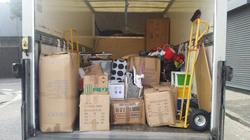
Commercial Removals London: Pricing for Small Businesses

If you are planning a move for a small business in London, the first question is usually the same: what is this going to cost, and how do you avoid the nasty surprises? Commercial removals London: pricing for small businesses is not just about hiring a van and a few people with strong backs. It is about timing, access, packing, building rules, parking, furniture handling, and how smoothly you can keep trading while everything shifts from one place to another.
Truth be told, small business moves can be more awkward than people expect. A compact office in Shoreditch, a consultancy in Westminster, or a studio in Clapham may look simple on paper, then suddenly there is a tight staircase, a no-lift building, or a parking bay that needs planning three days in advance. This guide breaks down how pricing usually works, what affects your quote, where hidden costs come from, and how to make sure you get value rather than just the cheapest number.
By the end, you will know what to ask, what to compare, and how to budget with more confidence. No fluff. Just the practical stuff that helps you make a sensible decision.
Why Commercial Removals London: Pricing for Small Businesses Matters
For a small business, moving is rarely just a logistics task. It can affect cash flow, client communication, staff morale, trading hours, and even how professional you look to customers. Pricing matters because the cheapest quote is not always the cheapest move. If a mover underestimates access issues or forgets to factor in packing time, you can end up paying more on the day, or losing time you cannot really afford.
London adds another layer. Streets can be narrow. Parking can be restricted. Loading may need to happen at awkward times. Some buildings require advance notice, lift bookings, or proof of insurance. A move from office removals in central London will often be priced differently from a small studio relocation in a less restricted area, simply because the labour and access demands are not the same.
This is why pricing should be treated as part of the planning process, not a last-minute admin job. When you understand the cost drivers, you can make better decisions about timing, packing, insurance, and whether to handle part of the move yourselves. You will also be better placed to spot vague quotes that look fine until you read the small print. And let's face it, nobody enjoys that bit.
Small businesses especially need predictability. A day lost to poor planning can hit revenue hard. A clear commercial removals quote gives you a chance to manage the move rather than be dragged along by it.
How Commercial Removals London: Pricing for Small Businesses Works
Most removals companies in London price small business moves using a mix of time, labour, vehicle use, distance, access, and service level. Some provide an hourly rate. Others quote a fixed price after assessing your inventory and route. In practice, many quotes are a blend of both: a base cost with extra charges for specialist tasks.
Here is the simplest way to think about it. The job is usually broken into moving parts:
- Survey or inventory review - the mover estimates the size of the job, often from photos, a video call, or a site visit.
- Labour - the number of movers needed and the time required.
- Transport - the van or truck size, fuel, and travel time.
- Access and parking - stairs, lifts, loading bays, congestion, or permit considerations.
- Packing and protection - boxes, wrapping, crates, and furniture protection.
- Special items - IT equipment, heavy desks, filing cabinets, safes, or awkward furniture.
- Timing - evening, weekend, or same-day moves may cost more.
A small business move is often more efficient when it is grouped properly. For example, a six-person company might not need a huge truck, but it may need careful handling for monitors, printers, and boxed files. That is where a service such as commercial moves can be more practical than a purely domestic removals package. It is designed around business priorities, not just household furniture.
Pricing also depends on how much preparation you have done. A well-labelled, decluttered office with packed boxes takes less time than a space full of loose items, cables, and "we'll decide later" piles. In our experience, that last category tends to multiply like rabbits on moving day.
Typical quote formats you may see
- Hourly pricing - useful for smaller moves with uncertain volume.
- Fixed-price quote - better if the move is clearly scoped and access is known.
- Day rate - sometimes used for larger small-business relocations.
- Hybrid quote - a set base price with extras for packing, waiting time, or specialist items.
The best quote is the one that matches your real move, not the one that sounds cheapest at first glance.
Key Benefits and Practical Advantages
When priced and planned properly, professional commercial removals can save time, reduce stress, and protect your equipment. That sounds obvious, but the practical value is worth spelling out.
- Less downtime - a good mover keeps the move efficient, so your team can get back to work faster.
- Lower damage risk - trained handling and proper packing reduce breakages and scratched furniture.
- Better coordination - you are not trying to juggle keys, boxes, parking, and staff all at once.
- More predictable costs - a detailed quote helps you budget rather than guess.
- Flexible service levels - you can choose packing, dismantling, or just transport, depending on budget.
There is also a reputational benefit. A calm, organised move tends to feel like an organised business. Clients may never see the crates and tape, but they do notice if your team is back online quickly and without drama.
Expert summary: the best value in a small business move is not the lowest sticker price. It is the quote that balances labour, access, timing, and insurance in a way that fits your operation and avoids costly disruption.
Another advantage is that a proper removals team can often spot risk before it becomes a problem. Tight stairwells, reception desk disassembly, fragile IT kit, or a very late building handover? These are not minor details. They are the sort of things that can turn a tidy move into a very long afternoon.
Who This Is For and When It Makes Sense
This topic matters for any small business in London that needs to move premises, equipment, or stock without derailing day-to-day work. That includes offices, agencies, clinics, studios, consultancies, and small retail or trade operations with limited downtime tolerance.
You may especially need commercial removals pricing if you are:
- moving from a serviced office to your own unit
- expanding into a larger office
- downscaling after a contract change or restructuring
- relocating a small team across London
- moving between floors or buildings in the same area
- closing one site and consolidating equipment elsewhere
It also makes sense if you need more than a simple van hire. Yes, you could try to do it yourself. Some people do. But if you are moving desks, monitors, files, branded furniture, and a pile of cables that look like they have formed their own ecosystem, a structured move is usually the safer option.
For businesses in busy parts of the city, local knowledge matters too. A move in central London may require different timing and access planning from one in outer boroughs or more spacious residential-commercial areas. If your premises are in places like Canary Wharf, Camden, or Kensington, the quote may reflect more than mileage. It reflects the reality of getting a vehicle in and out without wasting half the day circling the block.
This service makes the most sense when time, coordination, and safe handling matter more than squeezing out the absolute lowest price. That is often the case for small businesses. Usually, honestly.
Step-by-Step Guidance
If you want a realistic price and a smoother move, the process needs a bit of structure. Not too much ceremony, just enough to avoid avoidable chaos.
1. List everything that is actually moving
Start with furniture, boxes, equipment, archive files, stock, and anything awkward or fragile. A short inventory is better than trying to remember it all from memory later, because memory has a funny way of being optimistic.
Include:
- desks, chairs, filing cabinets, shelving, and meeting tables
- IT equipment, printers, monitors, and servers
- specialist tools or stock
- plants, displays, and branded items
- items that need dismantling or reassembly
2. Be honest about access
Tell the removals company about stairs, lifts, narrow roads, loading restrictions, parking difficulty, and long walking distances from the vehicle to the entrance. Access is one of the biggest cost drivers, and it is also one of the easiest things to understate.
3. Decide what help you really need
Do you want packing included? Do you need boxes supplied? Will the team dismantle furniture and rebuild it at the new site? Do you just need transport and loading? Each choice changes the price, so it helps to know what you are paying for.
4. Request a detailed quote
Ask for a written quote that separates labour, vehicle use, packing materials, and any likely extras. If anything is vague, ask it again. A good provider will not mind. A poor one may get a bit slippery.
5. Compare like for like
Do not compare a bare-bones quote with a full-service one and call the cheaper option "better value." Compare the same scope, same timings, same assumptions, same risk level. Otherwise you are comparing apples with half a moving van attached.
6. Prepare the premises
Label boxes by department or room. Back up data. Clear walkways. Reserve parking if needed. Tell staff what time to arrive and what they should pack themselves. A good handover on the day saves minutes that quickly become hours.
7. Confirm insurance and timing
Check what is covered, what is excluded, and whether the move timing suits your business. Early starts can help in London, especially if you want to avoid the worst traffic. Sometimes even the road outside feels different at 7:00am - quieter, clearer, almost kind.
Expert Tips for Better Results
If you want better pricing, better service, and fewer headaches, a few small decisions go a long way.
- Declutter before quoting - fewer items usually means a cleaner estimate and a cheaper job.
- Pack non-essentials early - archive files, spare stock, and seasonal items can be boxed in advance.
- Use consistent labelling - room names, department names, and priority labels help the team unload quickly.
- Protect fragile IT kit - use original boxes where possible, or at least well-padded cartons.
- Choose the right move day - midweek can sometimes be easier than Friday, depending on your trade and building access.
- Allow for setbacks - lifts may be busy, parking may change, and a box or two always appears from nowhere.
If you need packing support, it can be worth using packing and unpacking services for fragile items, shared offices, or teams short on time. It is not always necessary, but it can be a very sensible add-on when your staff are already stretched.
One practical tip people forget: make sure someone on your side is the decision-maker on moving day. Not a committee. Not three different managers with slightly different opinions. One person. It makes everything faster.
Common Mistakes to Avoid
Pricing issues usually come from avoidable mistakes rather than bad luck. The most common ones are straightforward, but they can be expensive.
- Choosing on price alone - the cheapest quote may exclude essentials or underestimate time.
- Ignoring access details - stairs, lifts, and parking all affect the final bill.
- Forgetting to list heavy items - desks, cabinets, and specialist equipment often need extra labour.
- Leaving packing to the last minute - rushed packing can slow the whole move.
- Not checking insurance - you want clarity before the van arrives, not after a problem.
- Underestimating downtime - even a small move can disrupt calls, deliveries, and client work if badly timed.
A subtle one, and very common: assuming a removal company will "just work it out on the day." They probably can. But you may not like the result, or the invoice. Better to be specific from the start.
Another mistake is failing to plan for waste and unwanted furniture. If old desks, broken chairs, or obsolete equipment are being left behind, deal with that separately. Otherwise the move can get muddled, and that is rarely fun.
Tools, Resources and Recommendations
You do not need fancy software to organise a small business move, but a few simple tools make life easier.
- Room-by-room or department inventory sheet - helps you identify what is moving and what is being discarded.
- Box label system - colour coding or numbered labels save time at both ends.
- Simple timeline - keeps packing, staff communication, and handover tasks on track.
- Photo record - useful for fragile setups, cable-heavy desks, and furniture condition checks.
- IT checklist - confirms backups, shut-down procedure, and reinstallation needs.
For businesses comparing service levels, the main site pages for removal services, removal company, and pricing and quotes can help you understand the wider options available. If you are still weighing up whether a dedicated removals team is worth it, that is often a useful place to start.
You may also want to think about vehicle size. A compact move may suit a man and van style arrangement, while a larger office relocation may need a bigger vehicle or a more structured team. The right choice depends on volume, access, and how much lifting is involved.
Law, Compliance, Standards, or Best Practice
Small business moves in London do not usually involve heavy legal complexity, but there are still practical obligations and standards worth taking seriously. If a mover is handling your property, you want confidence around safety, insurance, and responsible working practices.
Key points to keep in mind:
- Insurance - ask what cover is in place for goods in transit and handling damage.
- Health and safety - lifting, carrying, and loading should be managed carefully, especially with heavy or awkward items.
- Building rules - many offices and commercial premises have loading procedures, booking windows, or lift requirements.
- Parking and permits - some London locations require extra planning to avoid fines or delays.
- Data protection - if confidential files or devices are being moved, your internal procedures should protect sensitive information.
It is also sensible to check whether your removals provider has a clear health and safety policy and insurance and safety approach. Those pages do not replace common sense, of course, but they do show how seriously the company handles risk. For a business move, that matters.
If waste or old stock is involved, think about recycling and disposal before move day rather than after. A little planning here keeps the move clean, compliant, and less stressful. The practical stuff rarely looks glamorous, but it saves real money.
Options, Methods, or Comparison Table
There is no single best way to handle a small business move. The right method depends on budget, volume, and how much control you want to keep. Here is a simple comparison.
| Option | Best for | Typical strengths | Possible drawbacks |
|---|---|---|---|
| Van only / self-managed loading | Very small moves with light inventory | Lower upfront cost, simple jobs | More work for your team, more risk of delays or damage |
| Man and van style support | Small office or studio moves | Flexible, often quicker to arrange | May be less suitable for complex access or larger volumes |
| Full commercial removals service | Moves with furniture, IT, or multiple rooms | Better coordination, more support, less strain on staff | Higher cost, needs more planning |
| Packing add-on included | Businesses short on time or handling fragile items | Faster prep, less stress, better protection | Extra cost, may require earlier booking |
If you are comparing approaches, think about total cost, not just quote size. For instance, a cheaper option that takes your staff half a day longer can be more expensive in real terms. That is the bit people forget when they are staring at two prices and hoping one will magically be "the right one."
For businesses that need a broader relocation package, office relocation services can be a better fit than a basic transport-only option. It is usually the smarter choice when you need the move done cleanly and with less internal disruption.
Case Study or Real-World Example
Here is a realistic example. A small marketing agency in west London needed to move from a shared workspace into its own compact office. The team had eight desks, monitors, a couple of storage units, two printers, and a fair amount of paperwork. Nothing huge. But the old building had a narrow entrance, the new space required lift booking, and the team could only move outside client hours.
The first quote they received looked appealing because it was low. But it did not clearly include packing materials, dismantling, or waiting time if lift access was delayed. The second quote was a little higher, but it was more detailed and included protection for desks, basic packing help, and an agreed time window.
They chose the more detailed option. Why? Because it reduced risk and kept the move within a sensible schedule. On the day, the team worked from home until midday, the movers arrived with the right vehicle size, and the office was largely operational by the next morning. Not perfect, of course. There were a few cable tangles, because there always are. But the move stayed calm, the budget held, and the business did not lose a full day of trading.
The lesson is simple: a realistic quote often saves money indirectly. Less disruption. Less rework. Fewer surprises. And a better first day in the new space, which is worth something on its own.
Practical Checklist
Use this before you accept a quote or lock in a move date.
- Have you listed all items being moved?
- Have you confirmed stairs, lifts, and parking access?
- Do you know whether packing is included?
- Have you checked furniture dismantling and reassembly?
- Is the quote fixed, hourly, or a hybrid?
- Are insurance details clear?
- Have you planned how staff will pack their workstations?
- Have you backed up data and separated confidential files?
- Do you know whether waste or old furniture needs removal?
- Have you allowed for delays, building rules, or traffic?
- Have you compared the quote against similar scopes?
- Have you confirmed the move date and arrival window in writing?
If you can tick most of those off, you are already ahead of many small businesses. It sounds basic, but it really does save headaches.
Conclusion
Commercial removals London: pricing for small businesses comes down to more than a number on a page. The real value is in understanding what drives the cost, how the move will actually happen, and where the risks sit. Once you see the full picture, you can compare quotes properly, avoid hidden costs, and choose a service that fits your business rather than forcing your business to fit the move.
For small businesses, the smartest approach is usually the one that balances cost, speed, and care. That might mean a simple man-and-van job for a compact move, or a fuller service where packing, protection, and planning are built in. Either way, a bit of preparation goes a long way.
Get a free quote today and see how much you can save.
And if you plan it well, the move can feel less like a disruption and more like a proper step forward. A bit busy, yes. But manageable. Very manageable.
Frequently Asked Questions
How much do commercial removals in London usually cost for a small business?
Costs vary depending on the size of the move, access, timing, packing needs, and whether specialist items are involved. Small jobs may be priced hourly or as a fixed quote. The fairest way to judge cost is to compare the same scope of work across providers.
What affects the price most in a small office move?
Labour time, access, parking, van size, packing requirements, and any furniture dismantling usually have the biggest impact. In London, building restrictions and traffic can also change the final cost more than people expect.
Is a fixed-price quote better than hourly pricing?
It depends on how clear the move is. Fixed pricing is often better when the inventory and access are known. Hourly pricing can work well for very small or flexible jobs, but only if the scope is genuinely simple.
Do small businesses need packing services?
Not always, but they can be very helpful if your team is busy, the items are fragile, or you need a faster setup. Packing services can also reduce the risk of damage and save time on move day.
How far in advance should I book a commercial removal in London?
As early as possible. Even a small move benefits from advance planning, especially if you need a specific day, out-of-hours timing, or building access coordination. Short-notice moves can be done, but the choice of slots may be more limited.
Can I move my business myself to save money?
Yes, if the move is very small and low risk. But once you add desks, IT equipment, access issues, or time pressure, the hidden cost of staff downtime can quickly outweigh the savings. Sometimes DIY is fine. Sometimes it is a false economy.
What should a commercial removals quote include?
A clear quote should state the scope of work, timing, vehicle or crew size, packing or dismantling included, access assumptions, and any likely extra charges. If anything is vague, ask for clarification before you book.
Are office removals different from house removals?
Yes. Office and commercial moves often involve tighter deadlines, shared buildings, equipment handling, and a stronger need to minimise downtime. That is why a business-focused removals service is usually more suitable than a standard domestic move.
How do I avoid hidden fees in a removals quote?
Ask what is excluded, confirm access details, and make sure the mover knows about stairs, parking, waiting time, and bulky items. A transparent quote will spell out assumptions. If it feels too neat, ask more questions.
What insurance should I expect from a removals company?
You should expect clear information about goods in transit and handling cover, along with any exclusions. The exact level of cover can vary, so it is worth checking before the move rather than assuming everything is automatically protected.
What is the best way to prepare a small business for moving day?
Label everything clearly, back up data, reserve access where needed, and assign one person to coordinate decisions. That one person bit matters more than people think. It keeps the day moving and reduces confusion.
Do London location and parking rules really change the cost?
Yes, they can. A move in a busy central area, or somewhere with limited loading space, may take longer and need more planning than a straightforward site. That extra time often shows up in the quote because it affects the whole operation.
Is it worth paying more for a company experienced in commercial moves?
Often, yes. Experienced teams are usually better at planning around access, timing, and fragile equipment. For a small business, that can mean less disruption and fewer costly mistakes, which is usually the point of the exercise.
What should I do if the office move includes unwanted furniture?
Separate it from the items being moved and deal with it in advance. If left until the last minute, unwanted furniture can slow the job and make the move less efficient. Planning that part early is a small win, but a real one.